Air Quality
Carbon Monoxide Alarm Going Off? What to Do Right Now and How to Prevent It
Published
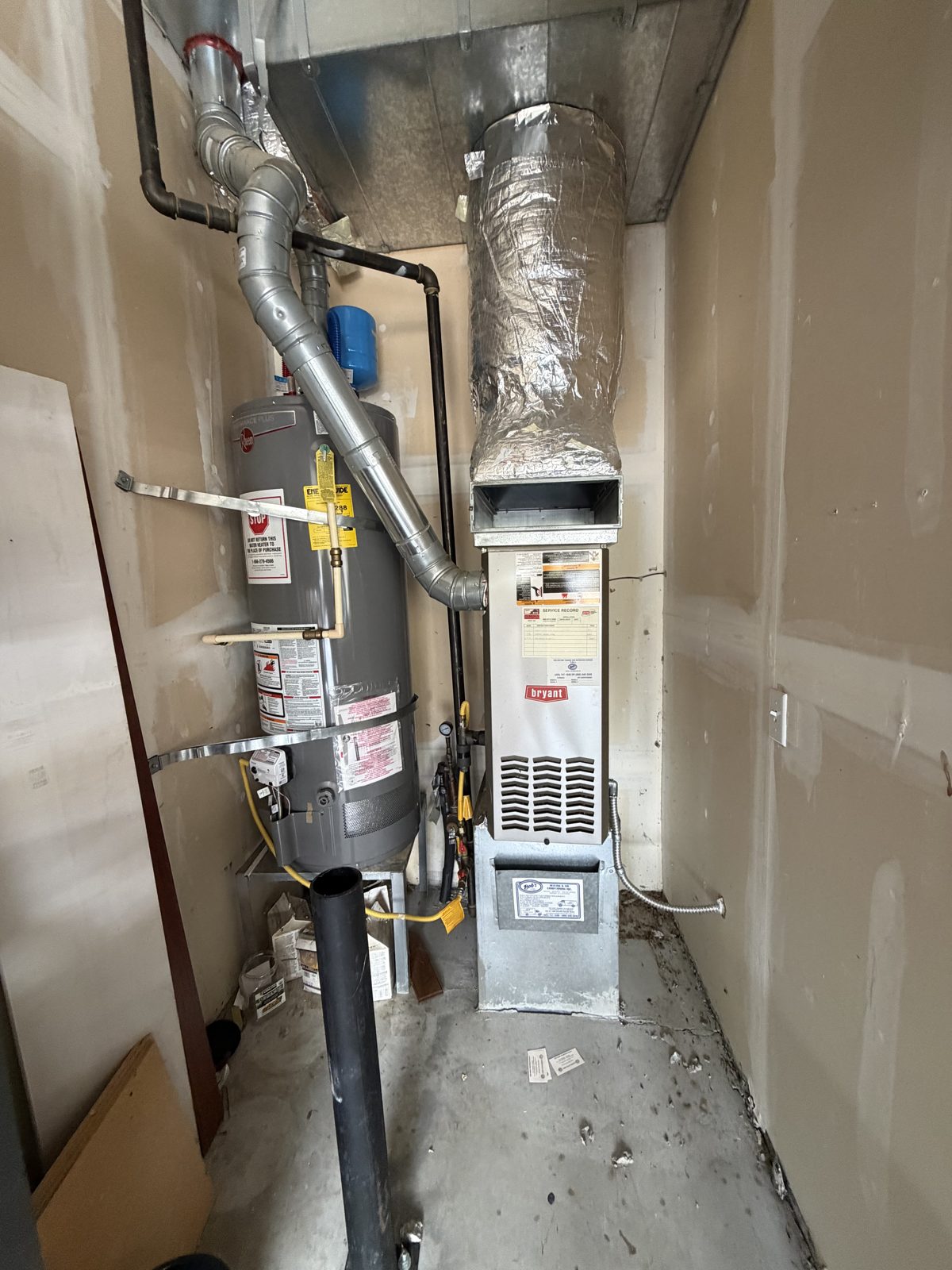
If your carbon monoxide alarm goes off, don't try to find the cause first. Get everyone — including pets — outside into fresh air right away, then call 911 or your fire department from outside. Don't go back in until responders say it's safe, and don't run the furnace, water heater or any other gas appliance again until a qualified technician has checked it. Carbon monoxide (CO) has no color or smell, so the alarm is often your only warning.
Need help now?
Call (206) 823-0670 or request a callback. Upfront pricing, licensed & insured technicians, 24/7 emergency service.
Why CO alarms matter more in fall and winter
Carbon monoxide is produced whenever fuel burns — natural gas, propane, oil, wood, charcoal or gasoline. A healthy, properly vented furnace sends those gases outside. The trouble starts when something goes wrong: a cracked heat exchanger, a blocked or disconnected vent pipe, a dirty burner, or an appliance used somewhere it was never meant to be.
In the Seattle area, that risk climbs once the heat comes on. Homes are closed up tight against the damp, furnaces run for hours at a time after sitting idle all summer, and fall and winter windstorms knock out power. Some of the worst CO poisoning outbreaks in Puget Sound history came after major windstorms, when people ran generators in garages or brought charcoal grills indoors for warmth.
Step by step: what to do when the alarm sounds
- Get out. Leave immediately and take everyone with you. Don't stop to open every window or hunt for the source.
- Call 911 or the fire department once you're outside. Firefighters can measure CO levels in the house.
- Count heads. Make sure everyone is out, then wait for responders. Don't go back in.
- Get medical help for anyone with headache, dizziness, nausea, confusion or drowsiness — tell them CO exposure is possible.
- Keep fuel-burning appliances off until they've been inspected and repaired.
- If the alarm sounds again within a day of going back in, repeat the steps and have every fuel-burning appliance in the home inspected.
Smell gas instead? A rotten-egg smell means a natural gas leak, which is a different emergency. Don't flip switches or use your phone indoors — leave the house and call your gas utility or 911 from outside.
Know the symptoms of carbon monoxide poisoning
Low-level CO exposure is easy to mistake for the flu or a cold, especially in winter. Watch for:
- Headache, dizziness or weakness
- Nausea or vomiting
- Shortness of breath
- Confusion, blurred vision or unusual sleepiness
Clues that point to CO rather than a bug: several people (or pets) in the house feel sick at the same time, symptoms ease when you leave home and return when you come back, or they're worse in the morning after the heat ran all night. Very high exposure can cause confusion and collapse quickly, with little warning.
Beeping, chirping or alarming? How to tell the difference
Not every sound from a CO alarm means CO is present. Patterns vary by brand, so check the label on the back or the manual, but in general:
- A loud, repeating pattern of beeps (often four beeps and a pause) is the actual CO alarm. Treat it as real and get out.
- A single chirp about once a minute usually means a low battery.
- A different repeating chirp on an older unit often means it has reached end of life and needs replacing.
If you're not sure which one you're hearing, treat it as a real alarm. Once everyone is safe and responders have cleared the house, you can sort out batteries.
What causes carbon monoxide in a home?
These are the most common sources we see in Puget Sound homes:
- Cracked furnace heat exchanger. Older furnaces that have overheated for years can crack, letting combustion gases mix with the air your blower sends through the house.
- Blocked or disconnected venting. Leaves, nests or debris in the PVC pipes of a high-efficiency furnace, or a loose metal flue on an older furnace or water heater.
- Poor combustion. Dirty burners or incorrect gas pressure can produce a lazy yellow flame and extra CO.
- Water heaters and boilers sharing a flue that isn't drafting properly.
- Fireplaces and wood stoves with a closed damper or a blocked chimney.
- Attached garages. A car or gas-powered equipment running in the garage, even with the door open.
- Generators, grills and camp heaters used indoors or too close to the house during a power outage.
Prevention checklist you can do yourself
Most of these take a few minutes and are completely safe for homeowners:
- Have CO alarms on every level of the home and outside each sleeping area. Interconnected alarms are best, since they all sound when one does.
- Test them monthly with the test button, and replace batteries on schedule.
- Check the manufacture date. Most CO alarms need replacing every 5–10 years — the date is printed on the back.
- Don't mount alarms right above a furnace or stove, in the kitchen, or where curtains or furniture block them. Follow the manufacturer's placement instructions.
- Keep outdoor vent pipes clear of leaves, bushes and storage — especially after fall windstorms.
- Look at the furnace flame if your model has a viewing window. Steady and mostly blue is good; yellow, orange or flickering is worth a call.
- Never run a generator, grill or camp heater indoors, including in a garage or carport. Run generators outside, well away from windows, doors and vents — the CDC recommends at least 20 feet.
- Never heat your home with a gas oven or stovetop.
- Schedule a yearly furnace tune-up that includes a combustion and CO safety check. Our fall furnace checklist covers the rest of the pre-season prep.
What Washington law says about CO alarms
Washington requires carbon monoxide alarms in residential buildings, with some exemptions for owner-occupied single-family homes occupied before mid-2009. When a single-family home is sold, the seller generally must install CO alarms before the buyer moves in, and rental homes are generally covered as well. Rules have details and exceptions, so check with your city or a real estate professional if you're buying, selling or renting. Whatever the law requires, an alarm on every level is cheap protection.
Signs of a furnace CO problem — even without an alarm
Call for service if you notice any of these:
- Soot or scorch marks around the furnace, water heater or vents
- A yellow or orange burner flame instead of blue
- Heavy condensation on windows near fuel-burning appliances
- A musty or "exhaust" smell when the heat runs
- The furnace shutting down repeatedly on a safety switch
- Rust, water streaks or loose sections on the flue pipe
When to call a pro
Call a licensed HVAC technician if:
- Your CO alarm went off and the fire department has cleared the house — the appliance that caused it needs inspection and repair before you use it again
- You see any of the warning signs above
- Your furnace is 15 or more years old and hasn't had a safety inspection recently
- You're not sure your venting or flue was installed correctly
- You want an honest opinion on whether an older furnace is still safe to repair
A technician will inspect the heat exchanger, test combustion and draft, check venting from the furnace to the outside, and measure CO levels at the appliance. If the heat exchanger is cracked, we'll explain your repair-vs-replace options plainly — including whether a heat pump, which burns no fuel at all, makes sense for your home and which utility rebates you may qualify for.
Yeti Heating & Air provides furnace repair and safety inspections across Seattle, Bellevue, Kirkland, Redmond, Renton, Shoreline, Lynnwood, Bothell, Edmonds and Everett. Our licensed, insured technicians give you upfront pricing you approve before any work starts, and we offer 24/7 emergency service when your heat is off for safety reasons.
CO alarm went off, or worried about your furnace? Once everyone is safe and responders have cleared the house, call (206) 823-0670 or request a callback. We're available Mon–Sat 7am–7pm, with 24/7 emergency service.
Frequently asked questions
What should I do if my carbon monoxide alarm goes off?
Get everyone, including pets, outside immediately and call 911 or your fire department from outside. Don't look for the source or go back in until responders say it's safe, and keep fuel-burning appliances off until a technician inspects them.
Can my furnace cause carbon monoxide?
Yes. A cracked heat exchanger, blocked or disconnected vent pipe, or poor combustion can let CO into your home. A yearly tune-up with a combustion and safety check is the best way to catch these problems early.
Why is my CO detector chirping?
A single chirp about once a minute usually means a low battery, and a different repeating chirp on an older unit often means it has reached end of life. A loud repeating beep pattern is a real alarm. Patterns vary by brand, so check the label on the back.
Where should I put carbon monoxide detectors?
Put one on every level of your home and outside each sleeping area, following the manufacturer's mounting instructions. Avoid kitchens, spots directly above fuel-burning appliances, and places where furniture or curtains block them.
How often should CO detectors be replaced?
Most carbon monoxide alarms need replacing every 5 to 10 years. Check the manufacture date printed on the back, test the alarm monthly, and replace batteries on schedule.
Related service
Indoor air quality in SeattleReady to get comfortable?
Call (206) 823-0670 or request a callback. Upfront pricing, licensed & insured technicians, 24/7 emergency service.