Maintenance
Fall Furnace Checklist for Seattle Homeowners: 9 Things to Do Before the First Cold Snap
Published
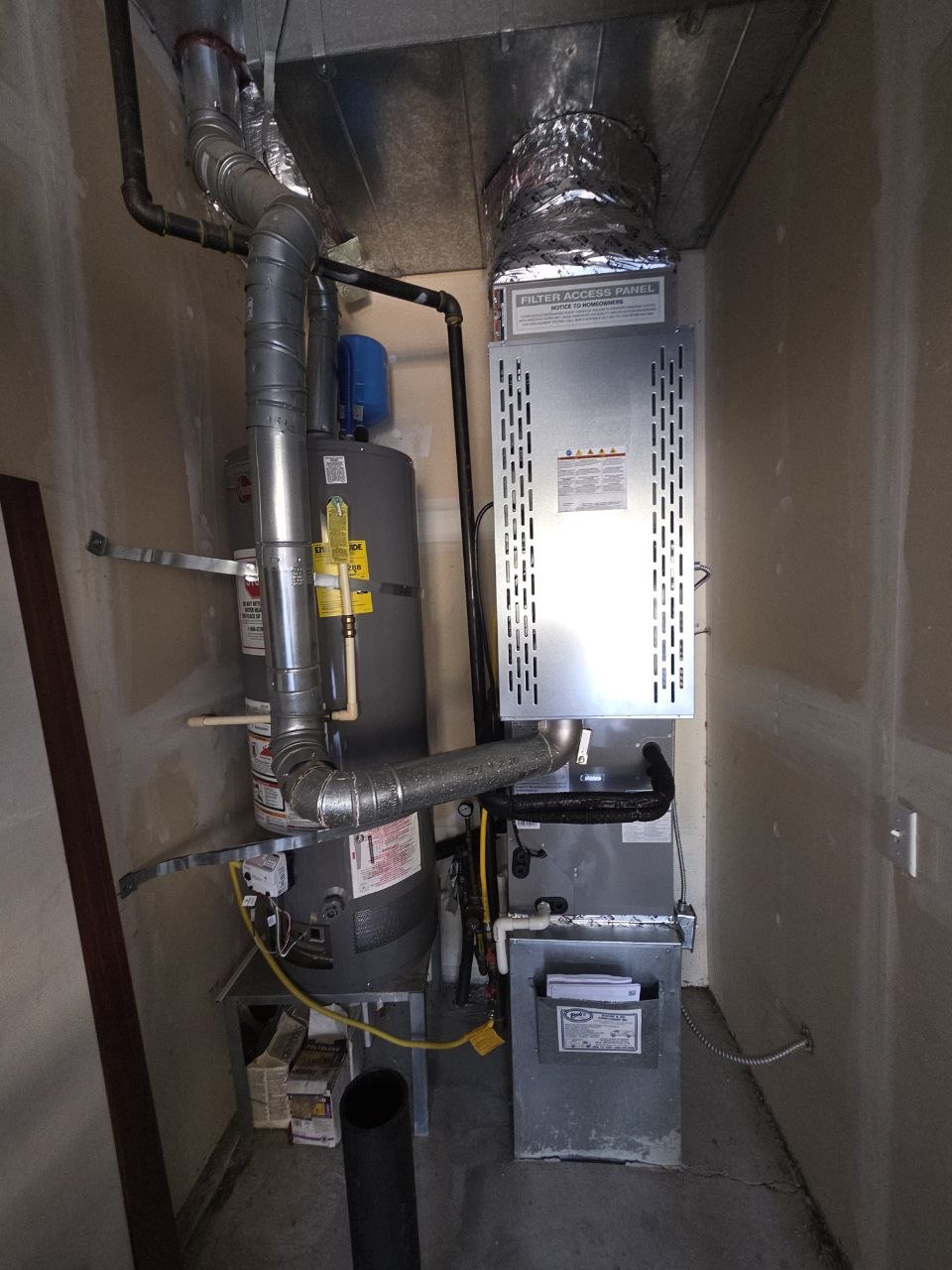
Seattle furnaces get a long summer break, and that's exactly why the first cold night of fall is when so many of them fail. Dust settles, filters clog, igniters weaken, and nobody notices until the house won't warm up. Thirty minutes this weekend can save you a no-heat call in November.
Need help now?
Call (206) 823-0670 or request a callback. Upfront pricing, licensed & insured technicians, 24/7 emergency service.
Your 9-step fall furnace checklist
1. Replace the air filter
This is the single most important thing you can do. A clogged filter makes your furnace work harder, can cause it to overheat and shut down, and pushes dust through your home. If you had wildfire smoke this summer, your filter is likely worse than it looks.
2. Test the thermostat
Switch it to Heat and raise the setpoint 5 degrees above room temperature. The furnace should start within a few minutes. If you have a battery-powered thermostat, replace the batteries now so it doesn't die on a cold night.
3. Do a test run — and use your nose
Let it run for 15–20 minutes. A faint dusty smell at first is normal. A smell that doesn't fade, or any rotten-egg gas odor, is not.
If you smell gas: don't flip switches or use your phone indoors. Leave the house and call your gas utility from outside.
4. Check and clear every vent
Walk the house and make sure supply registers are open and return grilles aren't blocked by furniture, rugs, or storage bins. Blocked returns are a common cause of rooms that never warm up.
5. Test your carbon monoxide detectors
Every home with a gas furnace needs working CO detectors, ideally on each level and near sleeping areas. Press the test button and replace batteries. Most detectors need replacing every 5–10 years — check the date on the back.
6. Clear the area around the furnace
Garages and basements collect clutter over summer. Keep boxes, paint, cleaning products, and anything flammable at least a few feet away, and make sure the furnace has room to breathe.
7. Look at the flame (if you can see it)
On many gas furnaces you can see the burner flame through a small window. A healthy flame is steady and mostly blue. A lazy yellow or orange flame can indicate a combustion problem and is worth having checked.
8. Check the outside vent
High-efficiency furnaces vent through PVC pipes on an outside wall. Make sure they're clear of leaves, nests, and debris — a blocked vent will shut the furnace down.
9. Listen for new noises
Some hum is normal. Banging when the burners light, squealing, grinding, or rattling are early warnings. Problems caught now are usually cheaper than a breakdown in January.
Warning signs to call a pro
- The furnace short-cycles (turns on and off every few minutes)
- It runs but blows cool air
- Some rooms are much colder than others
- The pilot or ignition fails repeatedly
- Yellow flame, soot around the furnace, or a CO alarm
- Your heating bill jumped without an obvious reason
- The furnace is 15+ years old and struggling
What a professional tune-up adds
The checklist above covers what a homeowner can safely do. A professional tune-up goes further: cleaning burners and the flame sensor, inspecting the heat exchanger for cracks, testing ignition and safety controls, checking gas pressure and electrical connections, and testing for carbon monoxide. It's the best way to catch small issues before they turn into a no-heat emergency.
If you're thinking about the bigger picture — an older furnace, high bills, or adding summer cooling — it's also a good time to ask about heat pumps. We'll give you honest repair-vs-replace advice and help you find any utility rebates you qualify for.
Yeti Heating & Air services furnaces across Seattle, Bellevue, Kirkland, Redmond, Renton, Shoreline, Lynnwood, Bothell, Edmonds, and Everett, with upfront pricing and licensed, insured technicians.
Book your fall tune-up: call (206) 823-0670 or request a callback.
Frequently asked questions
When should I get my furnace serviced in Seattle?
Early fall — September or October — is ideal. It's before the first real cold snap, and HVAC companies are less booked than they'll be once everyone turns their heat on at the same time.
How often should I change my furnace filter?
Check it monthly during heating season. Standard 1-inch filters usually need replacing every 1–3 months; thicker 4–5 inch media filters can last 6–12 months. Homes with pets, allergies, or nearby wildfire smoke may need more frequent changes.
What does a furnace tune-up include?
A professional tune-up typically includes inspecting and cleaning the burners and flame sensor, checking the heat exchanger for cracks, testing safety controls and ignition, measuring gas pressure and temperature rise, checking the blower motor and electrical connections, and testing for carbon monoxide.
Is a burning smell normal when I first turn on the heat?
A faint dusty smell for the first few minutes is normal — dust that settled on the heat exchanger over summer is burning off. A smell that lingers, or any smell of gas or burning plastic, is not normal. For a gas smell, leave the house and call your gas utility from outside.
How long does a furnace last?
Many gas furnaces last roughly 15–20 years with regular maintenance. If yours is in that range and needs a major repair, it's worth getting honest repair-vs-replace advice before you spend.
Related service
HVAC maintenance in SeattleReady to get comfortable?
Call (206) 823-0670 or request a callback. Upfront pricing, licensed & insured technicians, 24/7 emergency service.