Heat Pumps
Ductless Mini-Splits for Older Seattle Homes: Are They Worth It?
Published
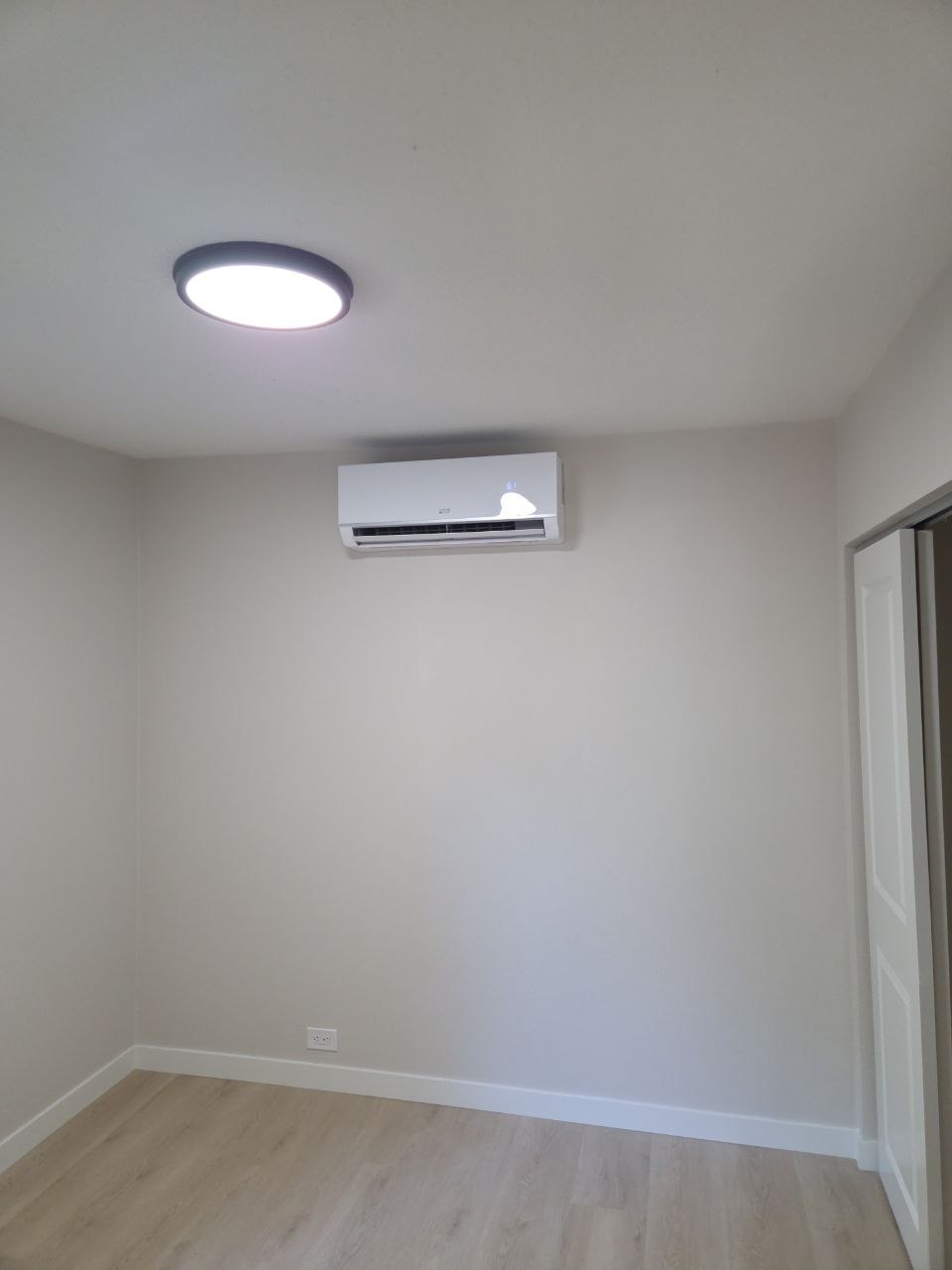
Yes — for most older Seattle-area homes, a ductless mini-split is one of the easiest ways to get efficient heat and summer cooling without tearing into walls to add ductwork. If your house was built with electric baseboards, a hot-water boiler and radiators, a wall furnace, or a ducted system that never reached the upstairs, a mini-split can heat and cool room by room through a small hole in the wall. It's especially well suited to the Craftsman bungalows, Tudors, mid-century ramblers and older split-levels found all over the Puget Sound area. The right setup depends on your layout, insulation and electrical panel, so the best answer starts with a look at the house — but in most cases, the answer is yes.
Need help now?
Call (206) 823-0670 or request a callback. Upfront pricing, licensed & insured technicians, 24/7 emergency service.
What a ductless mini-split actually is
A ductless mini-split is a type of heat pump. Instead of blowing air through ducts from one central unit, it has two main parts:
- An outdoor unit (the condenser) that sits on a pad, a stand or a wall bracket.
- One or more indoor units (often called heads) mounted in the rooms you want to heat and cool.
A thin bundle called a line set — refrigerant lines, a power and control cable, and a condensate drain — connects them through a small opening in the wall. Each indoor head has its own controls, so every zone can be set to a different temperature.
Like any heat pump, a mini-split moves heat instead of burning fuel to make it. In heating mode it pulls warmth from outdoor air and brings it inside; in summer it runs in reverse as an air conditioner. Modern inverter-driven models ramp up and down smoothly instead of switching fully on and off, which keeps rooms at a steady temperature.
Why mini-splits fit older Seattle homes so well
No ducts? No problem
Many older homes in Seattle, Shoreline, Edmonds and nearby neighborhoods were never built for ductwork. Adding ducts usually means opening plaster walls and ceilings, giving up closet space, or running ducts through tight crawlspaces and attics. Mini-splits skip all of that.
A big upgrade over electric baseboards
Baseboard heaters turn electricity directly into heat. A heat pump can deliver more heat energy than the electricity it uses, so homes switching from baseboards often see a noticeable drop in heating costs. Many homeowners leave a few baseboards in place as backup for bathrooms or the occasional hard freeze.
Cooling for homes that never had it
Plenty of older Puget Sound homes have no air conditioning at all. During summer heat waves, upstairs bedrooms in a 1920s house can stay uncomfortable well into the night. A mini-split adds cooling and dehumidification with the same equipment that heats in winter.
Comfort where you actually live
Older homes often have rooms that never heat evenly — a finished attic, a sunroom, a converted garage or a basement office. A mini-split lets you put heat exactly where it's needed instead of overheating the rest of the house to reach one cold room.
Built for our climate
Our long, cool, damp winters with relatively short hard freezes are the conditions heat pumps handle best. Cold-climate mini-splits are designed to keep producing heat well below freezing. On damp, near-freezing days, the outdoor unit will run short defrost cycles — that's normal.
Common setups for older homes
| Your home | A common mini-split approach |
|---|---|
| Electric baseboard heat throughout | Multi-zone system with heads in the main living area and bedrooms; keep a few baseboards as backup |
| Oil or gas boiler with radiators | Mini-splits for heating and cooling, sometimes keeping the boiler as backup or retiring it entirely |
| Ducted furnace that doesn't reach the upstairs | A single-zone or small multi-zone mini-split just for the upper floor |
| Finished attic, addition, ADU or garage conversion | Single-zone mini-split sized for that space |
| Small home with an open main floor | One or two well-placed heads can often cover most of the house |
If your home still runs on oil, plan for the oil tank too: it must be properly decommissioned by a licensed tank contractor when you stop using it.
Indoor unit styles
Wall-mounted heads are the most common and usually the least expensive. Depending on the room, you may also have options for floor consoles (handy under windows or on sloped attic walls), ceiling cassettes, or compact ducted units hidden in an attic or closet that serve a few nearby rooms through short duct runs.
Things to plan for in an older house
Mini-splits are flexible, but older homes come with a few details worth sorting out up front:
- Electrical capacity. The outdoor unit needs a dedicated 240-volt circuit. Older or crowded panels may need an upgrade or a load-management solution.
- Insulation and air leaks. A drafty house needs more heating capacity. Air sealing and attic insulation can let you use smaller equipment.
- Where the line sets run. On older siding and brick, a good installer plans neat routes with line-set covers so the outside of the house still looks tidy.
- Head placement. Heads should go where they can move air through the space — not behind a door or tucked into a corner. Closed-off floor plans often need more zones than open ones.
- Condensate drainage. Every indoor head produces water in both heating and cooling. It needs a proper drain path or a small pump.
- Permits. Mini-split installations typically require electrical and mechanical permits, which your contractor should handle.
What affects the cost
Every home is different, so we don't quote prices without seeing the house. These are the biggest factors:
- The number of zones and the type of indoor units
- Equipment efficiency — cold-climate, high-efficiency models cost more up front but perform better in winter
- Electrical work, including any panel upgrade
- Line-set length and routing, especially in multi-story homes
- Removing old equipment like an oil tank, boiler or wall furnace
For broader ranges and what drives them, see our guide to how much a heat pump costs in Seattle.
Rebates and utility programs
Incentives change often, so check current terms before you commit. As of this writing, Seattle City Light offers instant discounts on qualifying high-efficiency heat pumps, passed through in your contractor's bid. PSE has a rebate for electric customers converting from baseboard or other electric resistance heat to a fully ductless heat pump, with requirements such as a head in the main living area and an installer in PSE's contractor network. Seattle homes heated with oil may qualify for the city's oil-conversion incentives, and the federal heat pump tax credit ended after 2025. We help every customer find what they actually qualify for before they sign.
DIY checklist before you get quotes
These steps are safe and help you get a faster, more accurate estimate:
- List the rooms you want to heat and cool, and note which ones are always too cold or too hot.
- Sketch a rough floor plan showing doors, stairs and open areas.
- Photograph your electrical panel with the door open, including the main breaker amperage.
- Note your current heat source — baseboards, boiler, wall furnace, oil or gas furnace — and its age.
- Pull a year of utility bills so you can compare after the switch.
- Look for a spot outside where an outdoor unit could sit with clear airflow, out from under a dripping roof edge.
- Check which utility serves you (Seattle City Light, PSE or Snohomish County PUD) so you know which programs apply.
If you already have mini-splits, rinse the washable filters behind the front panel every few weeks during heavy use and keep the outdoor unit clear of leaves.
When to call a pro
Mini-split installation involves refrigerant, high-voltage wiring and permits, so it isn't a DIY job. Call a licensed HVAC contractor when:
- You heat with baseboards, a boiler or oil and want lower bills
- Some rooms never get comfortable no matter what you do
- You want summer cooling in a home that has never had it
- You're finishing an attic, basement or ADU and need heat there
- You're not sure your panel can handle a heat pump
- An existing mini-split is leaking water, icing up or not heating well
A good contractor will do a room-by-room load calculation, recommend the right number and type of zones, and walk you through your options side by side. Yeti Heating & Air designs and installs ductless mini-split systems across Seattle, Bellevue, Kirkland, Redmond, Renton, Shoreline, Lynnwood, Bothell, Edmonds and Everett. Our licensed, insured technicians give honest advice on what your home actually needs, upfront pricing you approve before any work starts, and help finding the utility rebates you qualify for.
Thinking about ductless for your older home? Call (206) 823-0670 or request a callback. We're available Mon–Sat 7am–7pm, with 24/7 emergency service.
Frequently asked questions
Do ductless mini-splits work in older homes without ductwork?
Yes. That's what they're designed for. Each indoor unit connects to the outdoor unit through a small hole in the wall, so there's no need to open plaster walls or add ducts. They're a common upgrade for homes with baseboards, radiators or wall heaters.
Can a mini-split heat my whole house?
Often, yes. A multi-zone system with heads in the main living area and bedrooms can heat most older homes. Closed-off floor plans may need more zones, and some homeowners keep a few baseboards as backup for bathrooms or hard freezes.
Will a ductless mini-split keep up in a Seattle winter?
Yes, when it's sized correctly. Our mild, damp winters suit heat pumps well, and cold-climate mini-splits keep heating well below freezing. Short defrost cycles on damp, near-freezing days are normal.
Should I remove my baseboard heaters after installing a mini-split?
Not necessarily. Many homeowners leave some baseboards in place as backup and simply keep their thermostats turned low so the mini-split does most of the work. Your installer can recommend which ones to keep.
Are there rebates for ductless mini-splits in the Seattle area?
Often. Seattle City Light offers instant discounts on qualifying heat pumps through contractors, and PSE has a rebate for converting from electric baseboard heat to a fully ductless system. Programs change, so Yeti helps you find what you qualify for.
Related service
Heat pumps in SeattleReady to get comfortable?
Call (206) 823-0670 or request a callback. Upfront pricing, licensed & insured technicians, 24/7 emergency service.