Heating
Furnace Stopped Working at Night? What to Check and When to Call for Emergency Service
Published
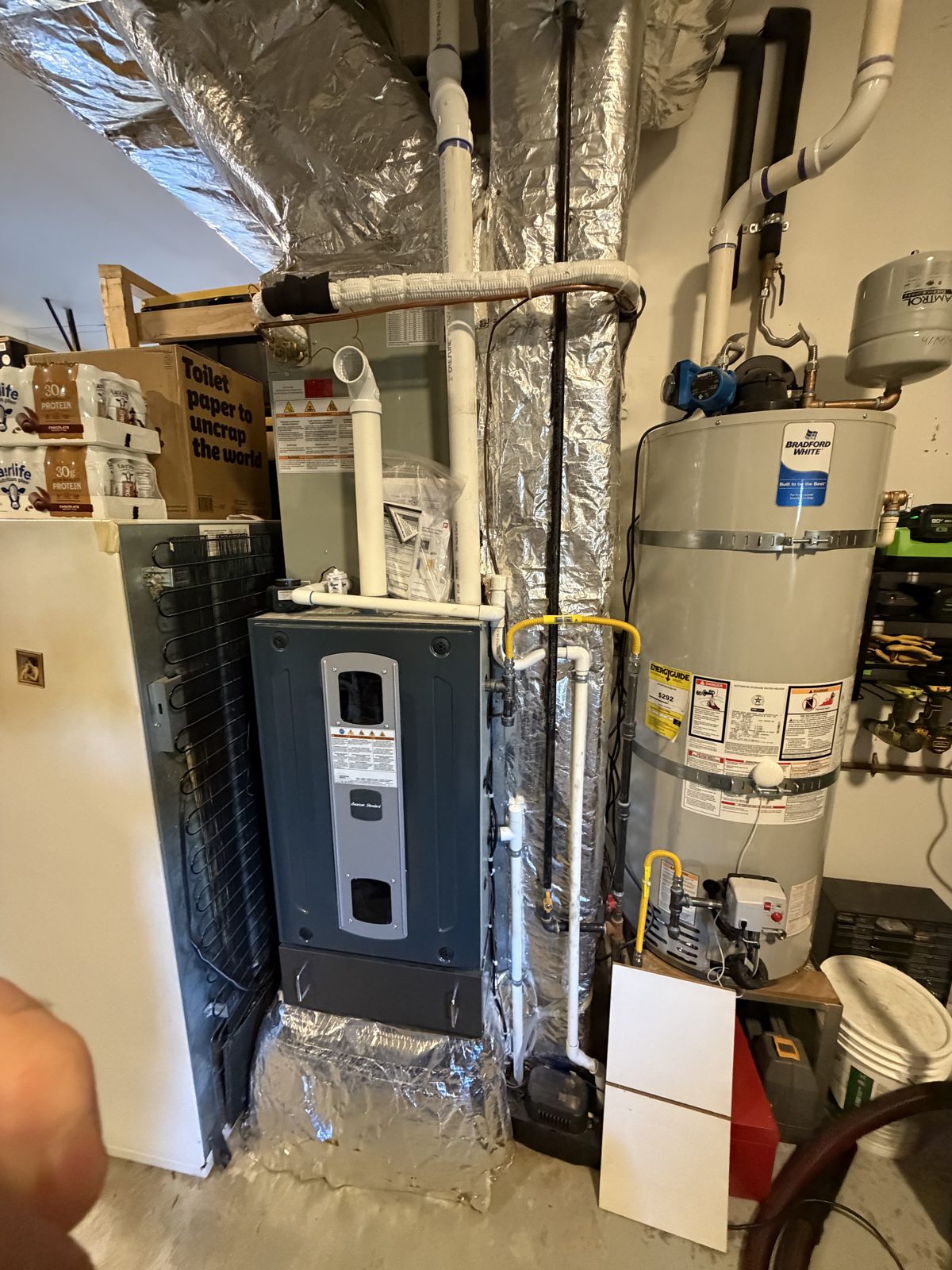
If your furnace stops working at night, start with the quick checks that solve most no-heat calls: make sure the thermostat is set to Heat with a setpoint above room temperature and has fresh batteries, check the breaker and the furnace power switch, replace a clogged filter, and confirm the outside vent pipes aren't blocked. If the furnace still won't run, keep your family warm safely, don't keep resetting it, and call for emergency service — especially if you smell gas, hear a CO alarm, or have babies, older adults or vulnerable people at home.
Need help now?
Call (206) 823-0670 or request a callback. Upfront pricing, licensed & insured technicians, 24/7 emergency service.
First: is anyone in danger?
Before troubleshooting, rule out the two situations where the furnace is the least of your worries.
- You smell gas (rotten eggs or sulfur): don't flip light switches, use the phone, or try to relight anything. Get everyone out of the house and call your gas utility or 911 from outside.
- A carbon monoxide alarm is sounding, or people feel headachy, dizzy or nauseous and better once they step outside: get everyone out and call 911. Don't go back in until responders say it's safe.
If neither applies, you can safely work through the checks below.
8 checks to do before you call
These are safe for any homeowner and take about 15 minutes. Grab a flashlight.
1. Check the thermostat
Make sure it's on Heat (not Cool, Off or Eco), the setpoint is at least 3–5 degrees above the current room temperature, and any schedule isn't overriding you. If the screen is blank or dim, replace the batteries — dead thermostat batteries are one of the most common middle-of-the-night no-heat causes.
2. Check the breaker
Look in your electrical panel for a tripped breaker labeled furnace, FAU or air handler. Reset it once. If it trips again, leave it off and call — that points to an electrical fault.
3. Check the furnace power switch
Most furnaces have a switch that looks like a regular light switch on the wall or ceiling near the unit. It's easy to bump it off while grabbing something from storage. Make sure it's on.
4. Make sure the furnace door is closed
Furnaces have a safety switch that keeps them from running if the front panel isn't seated properly. If someone changed the filter recently, push the panel firmly into place.
5. Replace the air filter
A badly clogged filter can make the furnace overheat and shut itself off. If you can't see light through the filter, swap it. (If your furnace runs but keeps stopping and starting, our guide to furnace short cycling covers that pattern in detail.)
6. Check the outside vent pipes
High-efficiency furnaces vent through two white PVC pipes on an outside wall or the roof. Leaves, a nest, or a pile of storage against them can trigger a safety shutdown. Clear anything you can reach safely from the ground.
7. Look for a blinking status light
Many furnaces have a small LED visible through a window in the lower panel. It blinks a pattern that points to the problem, and the code chart is usually printed on the inside of the furnace door. Write down the pattern — it helps a technician arrive with the right part.
8. Check the condensate drain (high-efficiency furnaces)
These furnaces produce water that drains through a small tube or pump. If the drain clogs or the pump fails, a float switch can shut the furnace down. Water pooling around the unit or a full condensate pump is a clue.
Don't keep resetting it. If the furnace starts and then shuts off again, turning the power off and on repeatedly can hide a real problem and wear out parts. One reset is fine; after that, call.
Common reasons a furnace quits overnight
If the checks above don't bring the heat back, the cause is usually one of these:
- Failed igniter. The hot surface igniter cracks with age. You'll hear the furnace try to start, but the burners never light.
- Dirty flame sensor. The burners light for a few seconds, then shut off.
- Inducer motor or pressure switch problem. You may hear humming or clicking without ignition.
- Blower motor or capacitor failure. The burners run, but no air comes out of the vents, and the furnace shuts down on high-limit.
- Control board failure. Erratic behavior, no response at all, or an error code that points to the board.
- Gas supply issue. Less common, but worth noting if other gas appliances also stopped working.
Night is when many of these show up, because it's when the furnace runs longest — especially on the first genuinely cold nights of a Puget Sound fall.
How to stay warm safely until help arrives
A cold house is uncomfortable, but improvised heat causes far more harm than a few chilly hours.
- Close up the house. Shut curtains and blinds, close doors to unused rooms, and gather everyone in one room.
- Use electric space heaters carefully. Plug them directly into a wall outlet (not an extension cord or power strip), keep them at least three feet from bedding, curtains and furniture, and turn them off when you leave the room or go to sleep if they lack automatic safety shutoffs.
- Never use a gas oven, stovetop, grill or camp heater to heat the home. These can produce dangerous levels of carbon monoxide indoors.
- Layer up. Extra blankets, warm socks and a hat do more than you'd think.
- Protect your pipes on freezing nights. If temperatures drop below freezing, open cabinet doors under sinks on exterior walls so warmer air reaches the plumbing.
When it's an emergency — and when it can wait until morning
Call for emergency service tonight if:
- You smell gas or a CO alarm has gone off (after getting everyone out and calling 911 or your gas utility)
- Outdoor temperatures are near or below freezing
- Someone in the home is an infant, an older adult, ill, or has a medical condition affected by cold
- The breaker keeps tripping, or you smell burning plastic or see scorch marks
- Water is leaking from the furnace
It may be reasonable to wait until morning if the house is holding a safe temperature, nobody is vulnerable to cold, and you have a safe backup heat source. Either way, call so you're on the schedule early.
When to call a pro
Call a licensed technician if:
- The furnace still won't run after the eight checks above
- It tries to start but the burners never light, or light and immediately go out
- The status light is blinking an error code
- The breaker trips again after one reset
- You hear grinding, squealing, banging or loud humming
- The furnace is 15 or more years old and this isn't the first breakdown
A technician will test the igniter, flame sensor, pressure switch, inducer and blower motors, gas pressure and control board, then tell you plainly whether a repair makes sense or replacement is the smarter long-term move. If you're weighing a replacement, it's also worth asking about heat pumps and any utility rebates you may qualify for.
Yeti Heating & Air provides 24/7 emergency HVAC service across Seattle, Bellevue, Kirkland, Redmond, Renton, Shoreline, Lynnwood, Bothell, Edmonds and Everett. Our licensed, insured technicians give you an upfront price that you approve before any work starts — no surprises on the bill, even at 2am.
No heat tonight? Call (206) 823-0670 for 24/7 emergency service, or request a callback if it can wait until morning. Regular hours are Mon–Sat 7am–7pm.
Frequently asked questions
What should I do first if my furnace stops working at night?
Check the thermostat setting and batteries, the breaker, the furnace power switch, the air filter and the outside vent pipes. These simple checks fix a surprising share of no-heat calls. If you smell gas or a CO alarm sounds, get everyone outside and call 911 or your gas utility instead.
Why does my furnace start but then shut off?
Common causes are a dirty flame sensor, a clogged filter that makes the furnace overheat, a blocked vent pipe, or a failing pressure switch. One reset is fine, but if it keeps shutting off, call a technician rather than resetting it over and over.
Is no heat an HVAC emergency?
It can be. Treat it as an emergency if temperatures are near freezing, someone at home is an infant, older adult or medically vulnerable, or you notice a gas smell, burning smell, tripping breaker or CO alarm. Yeti offers 24/7 emergency service.
Is it safe to use a space heater while my furnace is out?
Electric space heaters can be used safely if they're plugged directly into a wall outlet, kept at least three feet from anything that can burn, and turned off when no one is watching them. Never heat your home with a gas oven, stovetop, grill or camp heater.
Should I repair or replace a furnace that broke down?
Many overnight breakdowns are fixed with a single part like an igniter, flame sensor or capacitor. Replacement makes more sense when the furnace is older, needs a major repair, or has a cracked heat exchanger. Yeti gives honest repair-vs-replace advice and an upfront price first.
Related service
Furnace repair in SeattleReady to get comfortable?
Call (206) 823-0670 or request a callback. Upfront pricing, licensed & insured technicians, 24/7 emergency service.