Heating
Signs You Need a New Furnace: 9 Red Flags and How to Decide Repair vs. Replace
Published
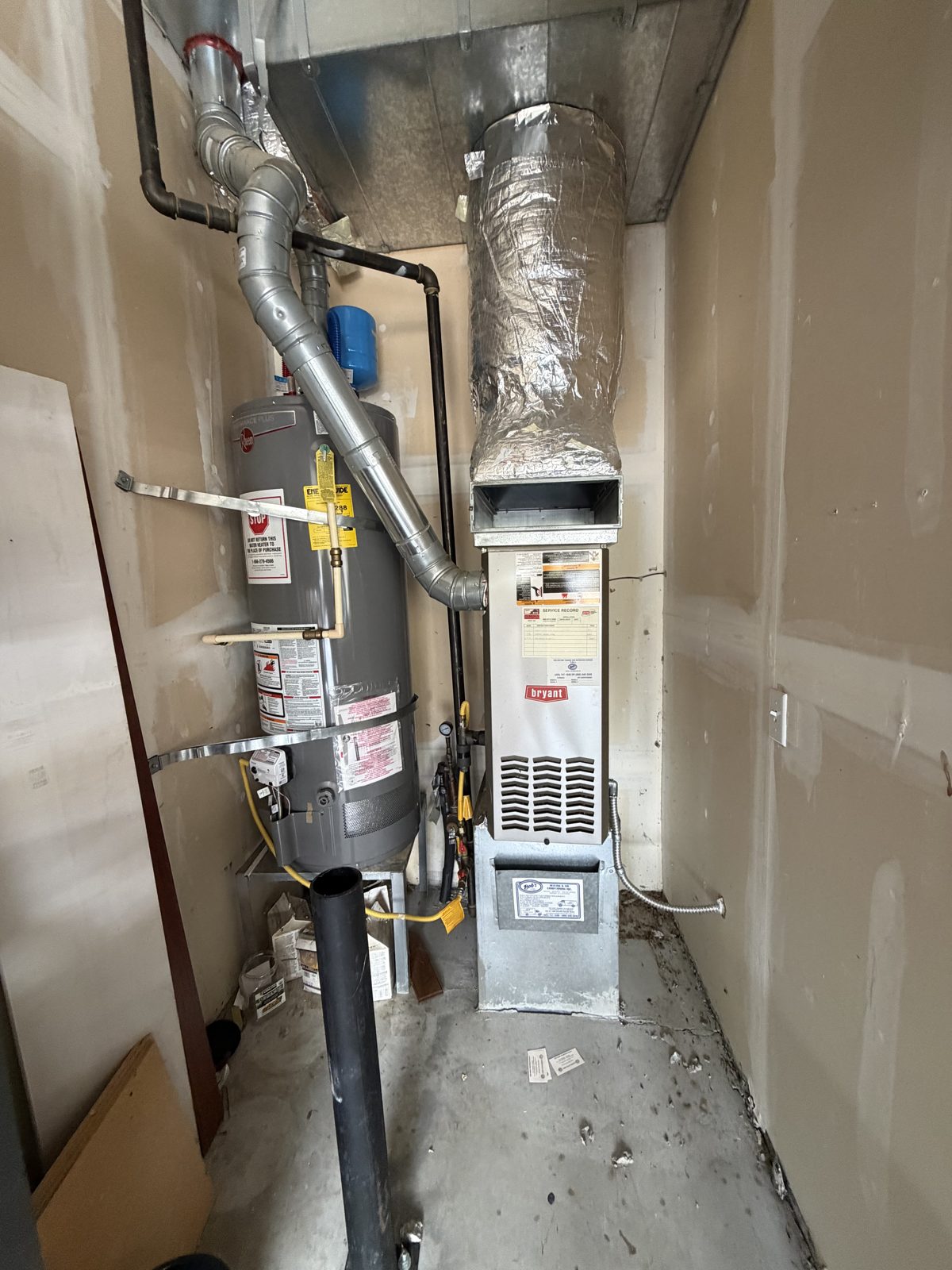
You probably need a new furnace if it's 15 to 20 years old and needs a major repair, your heating bills keep climbing for no clear reason, some rooms never warm up, it breaks down more than once a season, or a technician finds a cracked heat exchanger. One sign on its own doesn't always mean replacement — plenty of furnaces just need a new igniter or blower motor. But when several of these show up together, putting more money into an old furnace usually stops making sense. The best time to decide is now, in fall, on your own schedule — not on the coldest night of January when it quits for good.
Need help now?
Call (206) 823-0670 or request a callback. Upfront pricing, licensed & insured technicians, 24/7 emergency service.
9 signs your furnace may need to be replaced
1. It's 15 to 20 years old (or older)
Many gas furnaces last roughly 15 to 20 years with regular maintenance. Age alone isn't a reason to replace a furnace that runs well, but an older furnace is more likely to need expensive parts, and it was built to lower efficiency standards than today's models. You can usually find the manufacture date on the label inside the furnace door. If you can't, the serial number often encodes the year — a technician can read it for you.
2. Repairs are getting bigger and more frequent
One repair in ten years is normal. A service call every winter — an igniter one year, an inducer motor the next, a control board after that — is a pattern. A simple rule many homeowners use: if a repair would cost a large share of what a new system costs, and the furnace is near the end of its life, replacement is usually the better use of your money.
3. A cracked heat exchanger
The heat exchanger keeps combustion gases separate from the air your blower sends through the house. When it cracks, those gases — including carbon monoxide — can leak into your living space. On most furnaces, replacing a heat exchanger costs so much in parts and labor that replacing the whole furnace makes more sense. If a technician finds a crack, take it seriously and don't run the furnace until it's fixed. Our guide on what to do if your carbon monoxide alarm goes off covers the safety steps.
4. Heating bills keep rising
If your gas bill climbs year after year and your rates and habits haven't changed much, your furnace may be losing efficiency. Worn parts, dirty burners and aging blower motors all make a furnace work longer to deliver the same heat. Compare this winter's bills with the same months a few years back.
5. Uneven heat and cold rooms
Some rooms are always chilly while others feel stuffy. Ductwork and insulation can cause this too, but an aging furnace with a weak blower often can't push enough air to the far ends of the house. In older Seattle homes with long duct runs to upstairs bedrooms or a finished basement, this shows up fast.
6. Strange noises that keep coming back
Banging at startup, squealing, grinding or loud rattling usually point to a specific failing part. A single repair often fixes it. But if new noises keep appearing on an older furnace, it's a sign the whole unit is wearing out. Our guide to what furnace noises mean breaks down each sound.
7. Short cycling or frequent shutdowns
A furnace that turns on and off every few minutes, or keeps shutting down on a safety switch, is under stress. Often the cause is simple — a clogged filter or a dirty flame sensor. When the cause is an oversized furnace or worn controls on an old unit, replacement may be the real fix.
8. Yellow flame, soot or rust
A healthy gas flame is steady and mostly blue. A lazy yellow or orange flame, soot around the furnace, rust on the cabinet or flue pipe, or water pooling around the base all deserve a professional look. They can signal combustion or venting problems.
9. More dust, dry air or stale smells
An aging furnace with worn seals and a struggling blower can circulate more dust and make indoor air feel stale. If you're cleaning more often and changing filters on schedule, the furnace and ductwork may need attention.
Repair or replace? A quick way to think about it
| Situation | Usually makes sense to… |
|---|---|
| Under 10 years old, one-off repair | Repair |
| 10–15 years old, minor repair, runs well | Repair and keep maintaining it |
| 15+ years old and needs a major repair | Get a replacement quote before deciding |
| Cracked heat exchanger | Replace in most cases |
| Repeated breakdowns every season | Replace |
| Home never heats evenly, bills keep rising | Have the system sized and evaluated |
Every house is different, so treat this as a starting point. A good technician will tell you plainly when a repair is the smarter move, even if it means you don't buy new equipment.
What to replace it with
If you're replacing a furnace in the Seattle area, you have three main options:
- A new high-efficiency gas furnace. Condensing models capture much more heat from the fuel than older furnaces. They vent through PVC pipes and need a condensate drain.
- A heat pump. It heats and cools with one system, burns no fuel in your home, and works well in our mild, damp winters. Many homeowners make the switch when an old furnace and an old AC (or no AC at all) both need attention.
- A dual-fuel (hybrid) system. A heat pump handles most of the heating and all the cooling, and a gas furnace takes over on the coldest days.
Our comparison of a heat pump vs. gas furnace in Seattle walks through which fits which home. Utility rebates and programs change often and depend on your utility, your current heat source and sometimes your income. We help every customer find what they actually qualify for before they sign.
DIY checklist: what to check before you decide
These steps are safe for any homeowner and help you — and your technician — make a good call:
- Find the furnace's age on the label inside the access door, and take a photo of it.
- Replace the air filter. A clogged filter causes many of the symptoms above. If problems disappear with a new filter, great.
- Check the thermostat — set to Heat, fresh batteries, and not mounted next to a heat register or sunny window.
- Open all supply vents and clear return grilles of furniture and rugs.
- Look at the flame through the viewing window if your furnace has one. Note whether it's blue or yellow.
- Check the outside vent pipes on a high-efficiency furnace for leaves and debris.
- Pull a few years of gas bills for the winter months so you can compare.
- Write down your repair history — what broke and when.
- Test your CO alarms and make sure there's one on every level and outside sleeping areas.
Don't open the burner compartment, adjust the gas valve or try to inspect the heat exchanger yourself.
When to call a pro
Call a licensed HVAC technician if:
- Your furnace is 15 or more years old and something isn't right
- You've had more than one breakdown this season or last
- You see a yellow flame, soot, rust or scorch marks
- A CO alarm has gone off (get everyone out and call 911 first)
- The furnace keeps shutting down or short cycling after a filter change
- You want an honest repair-vs-replace opinion before winter gets serious
A technician will inspect the heat exchanger, test combustion and safety controls, check the blower, inducer motor and electrical parts, and measure how well the furnace is heating your home. If replacement makes sense, we'll size the new system to your house with a proper load calculation and lay out the options side by side.
Yeti Heating & Air provides furnace repair and replacement across Seattle, Bellevue, Kirkland, Redmond, Renton, Shoreline, Lynnwood, Bothell, Edmonds and Everett. Our licensed, insured technicians give you honest repair-vs-replace advice and upfront pricing you approve before any work starts — and we offer 24/7 emergency service if your heat goes out in the meantime.
Wondering if your furnace will make it through another winter? Call (206) 823-0670 or request a callback. We're available Mon–Sat 7am–7pm, with 24/7 emergency service.
Frequently asked questions
How do I know if my furnace needs to be replaced?
Common signs are an age of 15 to 20 years combined with a major repair, repeated breakdowns, rising heating bills, uneven heat, a yellow flame or soot, and a cracked heat exchanger. A technician can confirm whether repair or replacement makes more sense.
How long does a gas furnace last?
Many gas furnaces last roughly 15 to 20 years with yearly maintenance. Furnaces that run with dirty filters or skip tune-ups often wear out sooner.
Is it worth repairing a 20-year-old furnace?
Small repairs like an igniter or flame sensor can be worth it. For a major repair such as a blower motor, control board or heat exchanger, it's usually smarter to get a replacement quote first and compare.
Can a cracked heat exchanger be repaired?
Sometimes the part can be replaced, but on most furnaces the cost is close to a new system. Because a crack can let carbon monoxide into the home, don't run the furnace until a technician has dealt with it.
Should I replace my furnace with a heat pump?
Many Seattle-area homeowners do, since a heat pump adds cooling and works well in our mild winters. A new gas furnace or a dual-fuel system can also make sense. Yeti gives you options side by side and helps you find rebates you qualify for.
Related service
Furnace repair in SeattleReady to get comfortable?
Call (206) 823-0670 or request a callback. Upfront pricing, licensed & insured technicians, 24/7 emergency service.