Heating
Why Does My Furnace Keep Turning On and Off? Short Cycling Causes and Fixes
Published
If your furnace turns on, runs for a minute or two, shuts off, and then fires up again a few minutes later, it's short cycling. The most common cause is simple: a clogged air filter that makes the furnace overheat and trip its safety switch. Other causes include a dirty flame sensor, a poorly placed or failing thermostat, a blocked exhaust vent, or a furnace that's too big for the house. Start with the filter and thermostat — if that doesn't fix it, it's time for a technician.
Need help now?
Call (206) 823-0670 or request a callback. Upfront pricing, licensed & insured technicians, 24/7 emergency service.
What short cycling looks like
A healthy furnace usually runs in steady cycles: it starts, heats the house until the thermostat is satisfied, and shuts off for a while. Short cycling breaks that pattern. You might notice:
- The burners light and then shut off within a few minutes
- The furnace starts and stops several times an hour, even in mild weather
- The house never quite reaches the temperature on the thermostat
- The blower keeps running after the burners go out
- Heating bills creep up even though the house feels less comfortable
It's worth fixing quickly. Every start puts wear on the igniter, inducer motor, and controls, and a furnace that's constantly restarting uses more energy for less heat.
7 common causes of furnace short cycling
1. A clogged air filter
This is the number-one cause. When a filter is packed with dust, pet hair, or smoke particles, not enough air moves across the heat exchanger. It gets too hot, and a safety device called the high-limit switch shuts off the burners. Once things cool down, the furnace tries again — and the cycle repeats.
In summers when wildfire smoke drifts into the Puget Sound area, filters can load up much faster than homeowners expect.
2. A dirty flame sensor
The flame sensor is a thin metal rod that confirms the burners actually lit. When it gets coated with residue, it can't "see" the flame, so the furnace shuts the gas off as a precaution a few seconds after lighting. The classic sign: burners light, run briefly, then go out — over and over. A technician can clean or replace it quickly.
3. Thermostat problems
A thermostat can cause short cycling in a few ways:
- Bad location: mounted near a heat register, a sunny window, the kitchen, or a drafty door, it gets false readings and shuts the furnace off early.
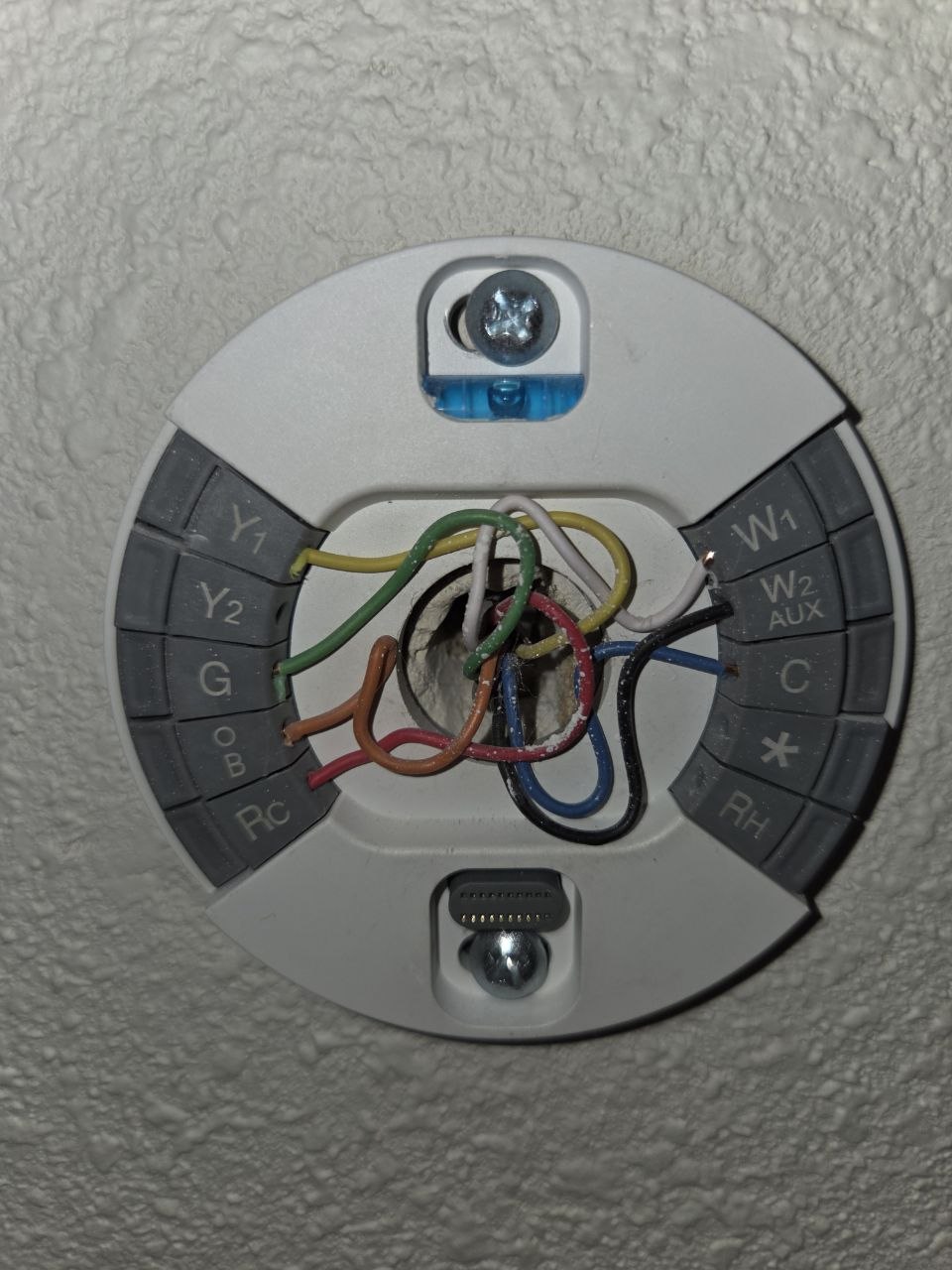
- Weak batteries or loose wiring: intermittent power can make it drop the heating call.
- Settings: some thermostats have a "cycle rate" or temperature swing setting that's configured too tight for your system.
4. A blocked exhaust or intake vent
High-efficiency furnaces vent through PVC pipes on an outside wall or roof. If leaves, a bird's nest, or debris blocks those pipes, a pressure switch detects the problem and shuts the furnace down. In a wet Seattle fall, it's worth checking that the pipes are clear and nothing is piled against them.
5. Blocked or closed vents and returns
Closing lots of supply registers to "save" heat, or blocking return grilles with furniture and rugs, restricts airflow in the same way a dirty filter does. The furnace overheats and shuts off early.
6. An oversized furnace
If a furnace is too powerful for your home, it heats the air near the thermostat very fast, shuts off, and the rest of the house cools down again. You get short cycles, uneven rooms, and extra wear. This is common in homes where the furnace was sized with a rule of thumb rather than a proper load calculation — or where insulation and windows were upgraded after the furnace went in.
7. Failing parts or a cracked heat exchanger
Worn control boards, a weak inducer motor, a failing pressure switch, or a bad limit switch can all cause erratic cycling. In older furnaces, repeated overheating can eventually crack the heat exchanger — a serious problem, because it can let combustion gases, including carbon monoxide, mix with the air in your home.
Safety first: If your carbon monoxide alarm sounds, or anyone has headaches, dizziness, or nausea that ease when they leave the house, get everyone outside and call 911. If you smell gas, leave and call your gas utility from outside.
DIY checklist: what you can safely check
Before calling, work through these steps. They're safe for any homeowner and fix a surprising number of short cycling problems.
- Replace the air filter. Hold the old one up to a light — if you can't see through it, it's overdue.
- Check the thermostat. Set it to Heat, fan to Auto, and the setpoint a few degrees above room temperature. Replace the batteries if it uses them.
- Look at where the thermostat is mounted. Is a lamp, TV, heat register, or sunny window right next to it?
- Open supply vents and clear return grilles. Move furniture, rugs, and storage away from them.
- Check the outside vent pipes. Make sure the PVC intake and exhaust pipes are clear of leaves, nests, and debris.
- Note the timing. Count how long each cycle runs and whether the burners go out while the blower keeps running. That information helps a technician diagnose it faster.
- Look for error codes. Many furnaces have a small status light that blinks a code through a window in the panel. The code chart is usually printed on the inside of the furnace door.
If the furnace is still short cycling after the filter and thermostat checks, stop there. Resetting it over and over can hide a real problem.
For a full pre-season routine, see our fall furnace checklist for Seattle homeowners.
When to call a pro
Call a licensed technician if:
- The furnace still short cycles after you replace the filter and check the thermostat
- The burners light and go out within seconds, repeatedly
- The status light is blinking an error code
- You hear banging, squealing, or clicking without ignition
- You see soot, a yellow or flickering flame, or scorch marks near the furnace
- Your CO detector has gone off at any point
- The furnace is 15 or more years old and short cycling has become a pattern
A technician will check the flame sensor, limit and pressure switches, inducer motor, gas pressure, temperature rise, and the heat exchanger. If the root cause is an oversized system, they can also explain whether repair or replacement makes more sense — and if you're considering a heat pump, what options and utility rebates may be available to you.
Yeti Heating & Air provides furnace repair throughout Seattle, Bellevue, Kirkland, Redmond, Renton, Shoreline, Lynnwood, Bothell, Edmonds, and Everett. Our licensed, insured technicians give you an upfront price before any work starts, honest repair-vs-replace advice, and 24/7 emergency service when the heat goes out.
Repair or replace?
Short cycling doesn't automatically mean you need a new furnace. Most cases come down to a filter, a sensor, a thermostat, or a single worn part. Replacement starts to make sense when:
- The heat exchanger is cracked
- The furnace is oversized and the house has never heated evenly
- It's near the end of its expected life and needs a major repair
- Repair costs keep adding up year after year
We'll lay out both options plainly so you can decide.
Furnace turning on and off? Call (206) 823-0670 or request a callback. We're available Mon–Sat 7am–7pm, with 24/7 emergency service.
Frequently asked questions
What is furnace short cycling?
Short cycling is when a furnace starts, runs for only a few minutes (often less than 3–5), shuts off before the house reaches the thermostat setting, and then starts again. A normal heating cycle usually runs longer and ends when the setpoint is reached.
Is it dangerous if my furnace keeps turning on and off?
Often the furnace is shutting itself off on purpose because a safety control sensed a problem, like overheating or a weak flame. That protects you, but the underlying cause — especially a cracked heat exchanger or a blocked vent — can be a safety issue. If a CO alarm sounds or anyone feels ill, get everyone outside and call 911.
Can a dirty filter cause short cycling?
Yes, and it's the most common cause. A clogged filter restricts airflow, the heat exchanger overheats, and the high-limit switch shuts the burners off. Once it cools down, the furnace restarts and the cycle repeats. Replace the filter first.
Can I clean the flame sensor myself?
Some handy homeowners do, but it means shutting off power and gas, removing a component near the burners, and reinstalling it correctly. If you're not comfortable with that, a technician can clean it quickly — and check for the problem that caused it to get dirty.
How much does it cost to fix a short cycling furnace?
It depends entirely on the cause. A filter swap costs almost nothing, while a failed control board, inducer motor, or cracked heat exchanger costs much more. Yeti diagnoses the cause first and gives you an upfront price before any work starts.
Related service
Furnace repair in SeattleReady to get comfortable?
Call (206) 823-0670 or request a callback. Upfront pricing, licensed & insured technicians, 24/7 emergency service.