
Heating
How Long Does Furnace Replacement Take? A Seattle Homeowner's Timeline (Plus Heat Pump Installs)
Published
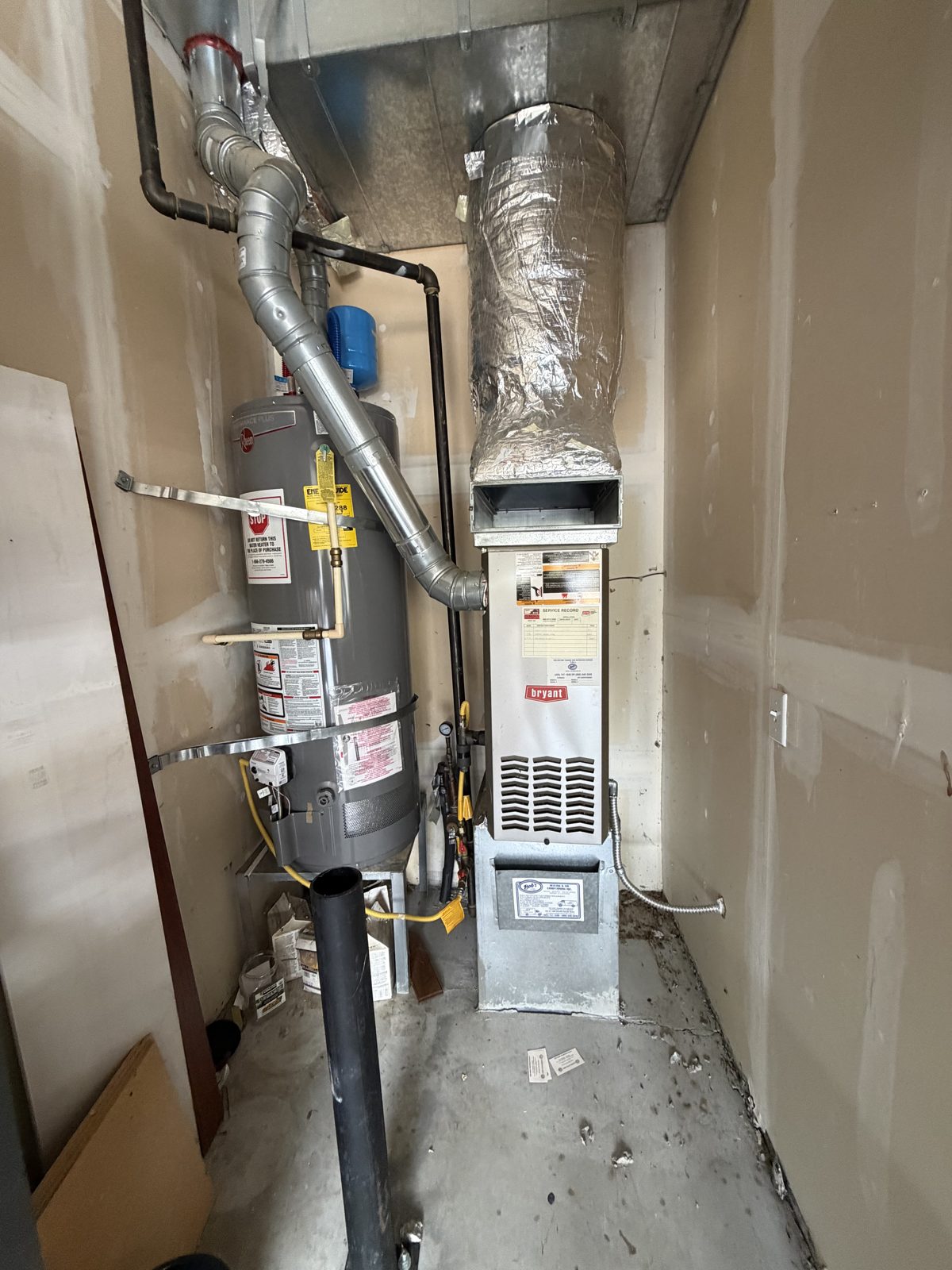
Most furnace replacements are finished in a single day. If the new furnace is a similar size and type to the old one and your ductwork is in good shape, a professional crew can typically remove the old unit, set the new one, connect gas, venting and electrical, and test everything in roughly 4 to 10 hours. Jobs that need duct changes, new venting, a switch in fuel type or a heat pump with an outdoor unit can take one to three days. The bigger variables are often what happens before installation day, such as the estimate, equipment availability and permits, and the city inspection afterward.
Need help now?
Call (206) 823-0670 or request a callback. Upfront pricing, licensed & insured technicians, 24/7 emergency service.
A typical furnace replacement timeline, start to finish
Here's how the process usually unfolds for a Seattle-area home:
- Diagnosis or estimate (same day to a few days). A technician looks at the old system, measures the space and checks ductwork, venting and electrical. If your furnace just failed, this visit also tells you whether a repair makes more sense than a replacement.
- Choosing equipment (a day or two, at your pace). You compare options: a new gas furnace, a heat pump, or a dual-fuel setup. This is also the time to ask about utility rebates, which may have rules about equipment or paperwork that need to be handled before work starts.
- Permits and scheduling (varies). In Seattle, a permit is required for a furnace replacement, and your contractor normally applies for it. Common equipment is often available quickly, while specialty models may take longer to arrive.
- Installation day (usually one day). The crew removes the old unit and installs and tests the new one.
- Inspection (after installation). A city inspector checks the work. In Seattle, this can include a cover inspection before anything is closed up and a final inspection when the job is complete.
What happens on installation day
A straightforward furnace swap generally looks like this:
- Prep and protection. Floors and walkways are covered, and power and gas to the old furnace are shut off.
- Removal. The old furnace is disconnected and carried out. In basements and tight closets this step alone can take an hour or more.
- Setting the new furnace. The unit is positioned, leveled and connected to the existing supply and return ducts, sometimes with a new transition piece if the sizes differ.
- Gas, venting and condensate. The gas line is reconnected and leak-tested. High-efficiency furnaces use plastic vent pipes and a condensate drain, so switching from an older, metal-vented furnace often means new venting.
- Electrical and thermostat. The furnace is wired in and the thermostat is connected or upgraded.
- Startup and testing. The technician checks gas pressure, temperature rise, airflow and safety controls, then walks you through the new system and filter.
What can make the job take longer
| Situation | Typical effect on timeline |
|---|---|
| Like-for-like swap, good ductwork | About one day |
| Upgrading to a high-efficiency furnace from an older model | Can add hours for new venting and a condensate drain |
| Ductwork that's leaky, undersized or damaged | Half a day to a day or more |
| Tight crawl space, attic or narrow closet | Slower removal and installation |
| Converting from oil to gas or to a heat pump | Often multiple days, plus tank decommissioning |
| Adding a heat pump or AC alongside the furnace | Usually adds a day for the outdoor unit, refrigerant lines and wiring |
| Electrical panel needs work | Can add a separate visit by an electrician |
| Specialty or back-ordered equipment | Delays before installation day |
| Heavy rain or a cold snap | Can slow outdoor venting or line-set work |
Older Seattle homes add their own wrinkles. Craftsman and mid-century houses often have original ductwork, cramped basements and old chimneys that served a previous furnace. None of that rules out a fast install, but it's worth having a technician look before you count on a one-day job.
How long does a heat pump installation take?
Heat pumps have more parts to install than a furnace, so the timeline is usually a bit longer:
- Ducted heat pump replacing a furnace or adding to one: often one to three days. The crew sets the outdoor unit on a pad or stand, runs refrigerant lines and a condensate drain, installs the indoor air handler or coil, and adds or upgrades electrical circuits.
- Ductless mini-splits: a single-zone system can sometimes be done in a day, while multi-zone systems with several indoor heads take longer.
- Heat pump replacing an oil furnace: expect extra time for removing the old equipment and dealing with the oil tank. Our guide to converting from oil to a heat pump covers what's involved.
In Seattle, split-system heat pumps also need a refrigeration permit, which must be pulled by a licensed refrigeration contractor, and outdoor units placed in a side yard may need a noise review. A good contractor handles these details and plans the unit's location so it meets the rules.
Furnace died in the middle of winter? How to plan
If your furnace has stopped working on a cold night, the timeline matters even more:
- Start with a diagnosis. Many no-heat calls turn out to be repairable, like a failed igniter, flame sensor or pressure switch. You don't want to replace a furnace that only needed a part.
- Ask about temporary heat. If replacement is the right call, ask how your home will stay warm until the new system is in. Electric space heaters can help for a short time when used safely and plugged directly into the wall.
- Don't rush the decision completely. It's reasonable to move fast, but take a moment to compare a like-for-like furnace with a heat pump, since rebate rules may require paperwork before work begins.
If you're not sure your furnace is truly at the end of its life, read our signs you need a new furnace first.
DIY checklist: how to prepare for installation day
- Clear a path from the door to the furnace, and clear about three feet around the unit.
- Move stored items away from the furnace room, attic hatch or crawl-space access.
- Secure pets and kids away from the work area and open doors.
- Note your thermostat settings and schedule so they can be set up the same way on the new system.
- Locate your electrical panel and gas meter so the crew can find them quickly.
- Keep your rebate paperwork handy and ask the contractor which forms they'll fill out.
- Plan to be available at the start and end of the day, and on inspection day.
When to call a pro
Furnace and heat pump installation is not a DIY job. It involves gas lines, combustion venting, high-voltage wiring and, for heat pumps, refrigerant that requires certification to handle. Call a licensed HVAC contractor when:
- Your furnace has stopped working and basic checks (thermostat, breaker, filter, furnace door switch) don't bring it back
- A repair estimate is high and you're weighing replacement
- You smell gas, or your carbon monoxide alarm sounds (leave the house first and call your gas utility or 911 from outside)
- You want to compare a new furnace with a heat pump or dual-fuel system before winter gets colder
At Yeti Heating & Air, our licensed and insured technicians give you honest repair-vs-replace advice and upfront pricing that you approve before any work starts. We'll explain the realistic timeline for your home and help you find utility rebates you may qualify for. We install and repair furnaces and heat pumps across Seattle, Bellevue, Kirkland, Redmond, Renton, Shoreline, Lynnwood, Bothell, Edmonds and Everett. Learn more about our furnace repair and replacement service.
Need a new furnace or heat pump, or not sure yet? Call (206) 823-0670 or request a callback. We're available Mon–Sat 7am–7pm, with 24/7 emergency service when your heat goes out.
Frequently asked questions
How long does it take to replace a furnace?
A like-for-like furnace replacement with ductwork in good shape is usually finished in one working day, often 4 to 10 hours. Major duct changes, new venting or a hard-to-reach location can push it to two days.
Will I be without heat overnight?
Usually not for a straight swap, since the old furnace comes out and the new one goes in the same day. For bigger projects, ask your contractor how heat will be handled between work days. Space heaters can bridge a short gap if used safely.
Do I need a permit to replace a furnace in Seattle?
Yes. The City of Seattle requires a permit for furnace replacements, and split-system heat pumps also need a refrigeration permit pulled by a licensed refrigeration contractor. Other cities in the area have their own permit rules.
Does a heat pump take longer to install than a furnace?
Often a little. A ducted heat pump adds an outdoor unit, refrigerant lines and electrical work, so many installs take one to three days. Ductless mini-splits vary with the number of indoor heads.
Do I need to be home during the installation?
Someone should be there at the start to give access and confirm details, and at the end for a walkthrough of the new system and thermostat. Plan for access again on the day of any city inspection.
Related service
Furnace repair in SeattleReady to get comfortable?
Call (206) 823-0670 or request a callback. Upfront pricing, licensed & insured technicians, 24/7 emergency service.