Costs & Rebates
Can I Convert My Oil Furnace to a Heat Pump? A Guide for Seattle Homeowners
Published
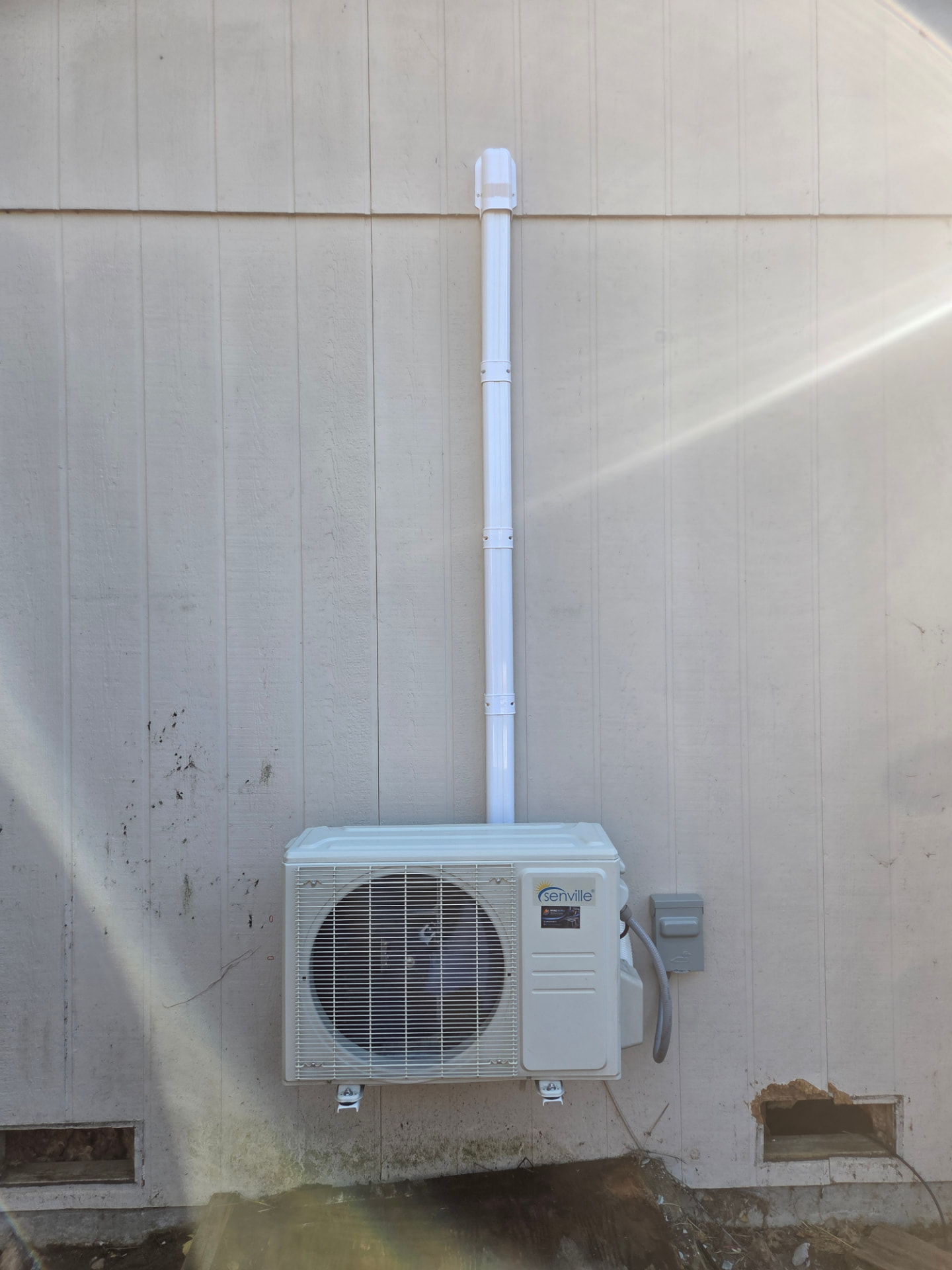
Yes — most Seattle-area homes heated by an oil furnace can switch to an electric heat pump, and for many it's the most practical upgrade they'll make this decade. If you have an oil furnace with ductwork, a ducted heat pump can usually connect to the ducts you already have. If you have an oil boiler with radiators, a ductless mini-split system is the more common path. Either way, the job has three parts: installing the heat pump, removing the oil equipment, and properly decommissioning the oil tank. Seattle homeowners may also qualify for city incentives aimed specifically at oil-to-heat-pump conversions.
Need help now?
Call (206) 823-0670 or request a callback. Upfront pricing, licensed & insured technicians, 24/7 emergency service.
Why so many Seattle homeowners are leaving oil heat
The City of Seattle estimates several thousand homes still heat with oil, and it has set a goal of moving all of them to cleaner heat by 2030. Even outside the city, homeowners across the region are making the switch for a few practical reasons:
- No more oil deliveries. No watching the gauge, scheduling fill-ups, or paying whatever the price happens to be when the tank runs low.
- Heating and cooling in one system. A heat pump heats in winter and cools in summer — handy during Puget Sound heat waves when a lot of older homes have no AC at all.
- Efficiency. A heat pump moves heat rather than burning fuel to make it, so it can deliver more heat energy than the electricity it uses.
- Aging equipment and tanks. Many oil furnaces and tanks in older Seattle neighborhoods are decades old. An old buried tank is a leak risk, and leaks can be expensive to clean up.
- Cleaner indoor air. No combustion in the house means no oil smell and no combustion byproducts from the furnace.
Can a heat pump really keep up with Seattle winters?
Yes. Our climate is actually well suited to heat pumps: winters are long, damp and cool, but hard freezes are relatively short. Modern cold-climate heat pumps are designed to keep producing heat well below freezing, and many systems include a backup heat source for the coldest nights.
Heat pumps do feel different from oil heat. An oil furnace blasts very hot air in short bursts; a heat pump delivers warm (not hot) air over longer, steadier cycles. If you've heard that heat pumps "blow cold air," read our guide on why a heat pump can feel like it's blowing cold air — most of the time it's normal operation.
The key is sizing. A proper load calculation — looking at your home's size, insulation, windows and air leaks — makes sure the heat pump can handle a cold January night without oversizing it.
Which type of heat pump fits your home?
If you have an oil furnace and ducts
A ducted (central) heat pump usually replaces the oil furnace with an indoor air handler connected to your existing ductwork, plus an outdoor unit. Before reusing the ducts, a good installer checks their size, condition and leakage. Older duct systems sometimes need sealing or a few changes to handle the gentler airflow of a heat pump.
If you have an oil boiler and radiators
Hot-water radiator systems don't have ducts, so the usual choice is a ductless mini-split system: an outdoor unit connected to wall-mounted indoor heads in the main living areas. Some homes use a mix — mini-splits for the main floor and bedrooms, plus a small ducted unit where there's attic or basement space.
Hybrid option
Some homes pair a heat pump with a backup heat source for the coldest days. For oil-heated homes, most people choose an all-electric setup so they can retire the tank entirely.
What happens to the oil tank?
This is the part many homeowners don't expect. When you stop using oil, the tank needs to be dealt with properly — not just left in the yard or basement.
- Decommissioning is required. In Seattle, the Fire Department has requirements for decommissioning residential heating oil tanks, whether the tank is removed or closed in place. Other cities have their own rules.
- It's usually a separate specialist. Tank decommissioning is typically handled by a licensed tank contractor, not the HVAC installer. We can help you coordinate the timing so you're never without heat.
- Leaks can happen. If a buried tank has leaked, the Washington State Pollution Liability Insurance Agency (PLIA) has programs that may help with cleanup costs.
- Keep the paperwork. Proof of decommissioning can matter when you sell your home.
Tip: don't top off your oil tank right before a conversion. Plan the switch so you use up most of the remaining oil first.
What affects the cost of an oil-to-heat-pump conversion?
Every home is different, so we don't quote prices without seeing the house. These are the factors that make the biggest difference:
- Ducted vs. ductless. Reusing good ductwork often simplifies the job. Radiator homes need mini-split heads in each zone.
- Home size and layout. More rooms, more floors or more zones means more equipment.
- Duct condition. Leaky or undersized ducts may need sealing or modifications.
- Electrical capacity. Some older homes need an electrical panel upgrade or a new circuit for the heat pump.
- Equipment choice. Cold-climate models and higher-efficiency systems cost more up front but perform better in winter.
- Removing the old oil furnace or boiler, plus tank decommissioning by a tank contractor.
- Incentives you qualify for, which can lower the out-of-pocket cost significantly.
Rebates and incentives for oil-heated homes
Incentives change often, so here's the current big picture:
- City of Seattle. Seattle's Clean Heat Program offers incentives for households converting from oil to a heat pump, with extra help for moderate-income households and fully covered conversions for income-qualified homes. These typically require using a participating contractor, and details change — check the current terms before you commit.
- Your electric utility. Seattle City Light, PSE and Snohomish County PUD customers may find heat pump rebates or instant discounts, depending on the equipment and your current heat source.
- Federal tax credit. The federal 25C home improvement tax credit for heat pumps ended for equipment installed after December 31, 2025, so don't count on it for a conversion this year.
- State programs. Washington has offered income-based home electrification rebates; availability varies.
We help every customer figure out which programs they actually qualify for before they sign anything.
Your conversion checklist
- Find your heating system type: furnace with ducts, or boiler with radiators?
- Locate your oil tank — basement, garage, side yard or buried.
- Check your oil level and plan to run it down rather than refilling.
- Look at your electrical panel and note its amperage and whether it has open breaker spaces.
- Gather utility bills so you can compare costs later.
- Check incentive eligibility — Seattle residents should look at the Clean Heat Program first.
- Get an in-home assessment with a load calculation — not a quote over the phone based on square footage alone.
When to call a pro
Converting from oil is not a DIY job. Heat pump installation involves refrigerant lines, high-voltage wiring and permits, and oil tank work has its own legal requirements. Call a licensed HVAC contractor when:
- Your oil furnace or boiler is aging, needs a major repair, or you're tired of oil deliveries
- You smell oil, see stains near the tank, or suspect a leak
- You want summer cooling added along with new heat
- You want to find out which rebates apply to your home
Yeti Heating & Air installs heat pumps across Seattle, Bellevue, Kirkland, Redmond, Renton, Shoreline, Lynnwood, Bothell, Edmonds and Everett. Our licensed, insured technicians size the system for your home, give you upfront pricing approved before work starts, give honest advice on whether to repair your oil system or replace it, and help you find the utility rebates you qualify for.
Ready to get off oil before winter? Call (206) 823-0670 or request a callback. We're available Mon–Sat 7am–7pm, with 24/7 emergency service if your oil heat quits in the meantime.
Frequently asked questions
Can I convert my oil furnace to a heat pump?
Yes. If your oil furnace uses ductwork, a ducted heat pump can usually connect to your existing ducts after they're checked for size and leaks. Homes with an oil boiler and radiators usually switch to ductless mini-splits.
Will a heat pump keep my Seattle home warm enough in winter?
Yes, when it's sized correctly. Seattle's mild, damp winters suit heat pumps well, and modern cold-climate models keep heating well below freezing. Many systems also have backup heat for the coldest nights.
What do I do with my old oil tank?
It needs to be properly decommissioned — removed or closed in place — by a licensed tank contractor. In Seattle, the Fire Department has requirements for this. Keep the paperwork, since it can matter when you sell.
Are there rebates for switching from oil to a heat pump?
Often, yes. Seattle's Clean Heat Program offers incentives for oil-heated homes, with more help for moderate- and low-income households, and utilities may offer heat pump rebates. The federal 25C tax credit ended after 2025. Yeti helps you find what you qualify for.
How long does an oil-to-heat-pump conversion take?
Many ducted installations take a day or two once equipment and permits are ready; multi-zone ductless systems can take longer. Tank decommissioning is usually scheduled separately, and we can help coordinate the timing so you're not left without heat.
Related service
Heat pumps & rebates in SeattleReady to get comfortable?
Call (206) 823-0670 or request a callback. Upfront pricing, licensed & insured technicians, 24/7 emergency service.