Costs & Rebates
How Much Does a Heat Pump Cost in Seattle? 2026 Price Factors and Rebates
Published
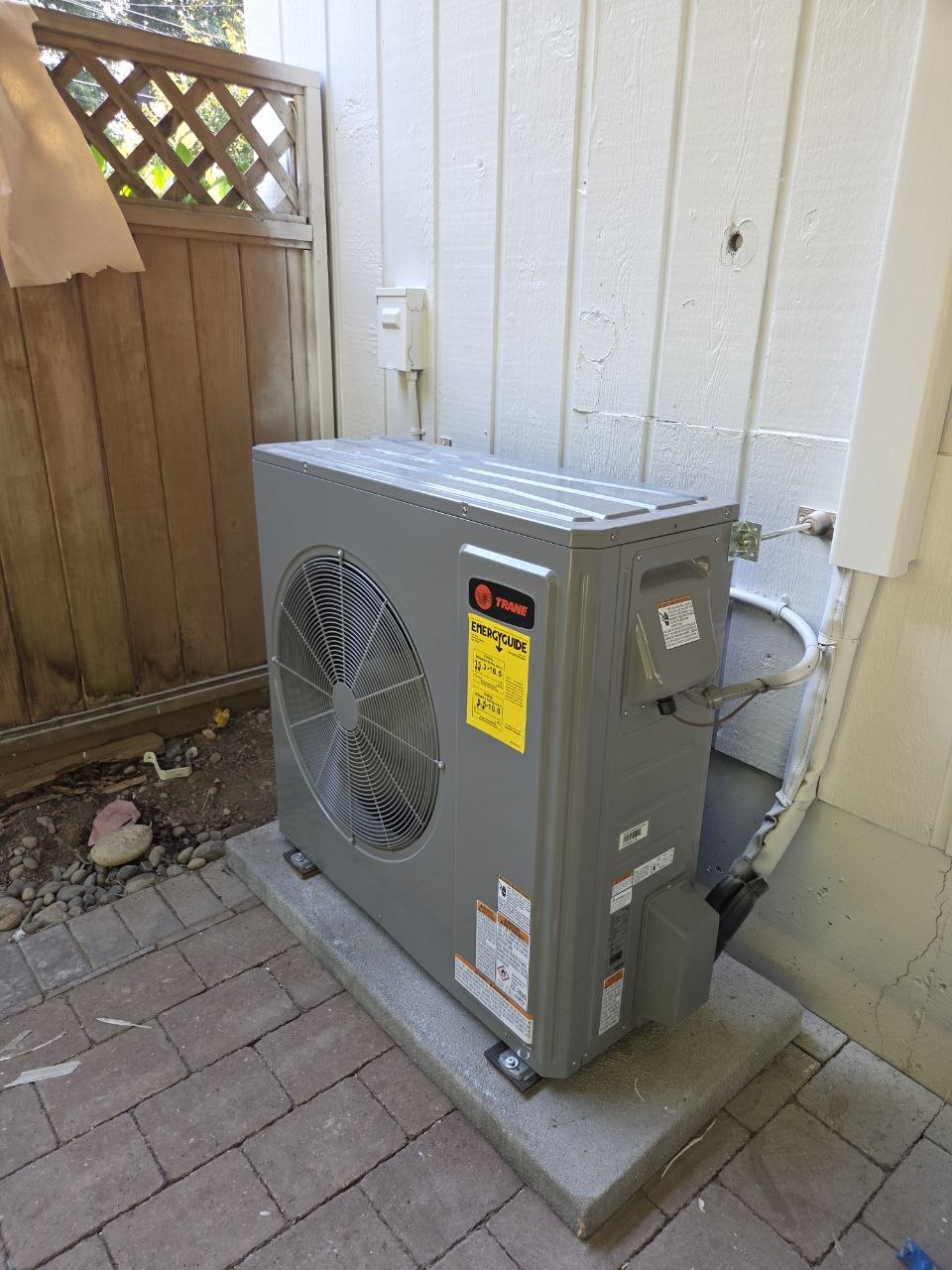
Most Seattle-area homeowners pay somewhere in the low-to-mid five figures for a whole-home heat pump. Published 2026 cost guides for the Seattle area put a typical ducted heat pump replacement at roughly $10,000 to $20,000, with a single-room ductless mini-split often coming in below that and multi-zone ductless or complex jobs (electrical panel upgrades, new ductwork, oil tank removal) running higher. Where your home lands depends on its size, your existing ducts, your electrical panel, the equipment you choose and the rebates you qualify for — which is why an honest quote starts with a visit to the house, not a price per square foot over the phone.
Need help now?
Call (206) 823-0670 or request a callback. Upfront pricing, licensed & insured technicians, 24/7 emergency service.
Why heat pump prices vary so much
Two neighbors can get quotes thousands of dollars apart for what sounds like the same job. That's usually not padding — it's because the work behind the quote is different. These are the factors that move the number most.
1. Ducted vs. ductless
- Ducted (central) heat pump. If you already have a furnace with ductwork, a heat pump and indoor air handler (or a heat pump paired with your furnace) can usually connect to the existing ducts. This is the most common whole-home upgrade.
- Ductless mini-split. Great for homes with baseboard heat, radiators, or no ducts at all, and for single rooms like an addition or a converted attic. One indoor head is relatively affordable; each extra zone adds equipment and labor.
2. The size and layout of your home
A proper load calculation looks at square footage, insulation, windows, air leaks and which direction the house faces. It decides how much heating capacity you really need. Bigger isn't better — an oversized heat pump costs more and runs in short, inefficient cycles. Many older Seattle homes that have had new windows or insulation need a smaller system than you'd guess.
3. The condition of your ductwork
Heat pumps move more air at a gentler temperature than a furnace. Ducts that are leaky, crushed, undersized or disconnected in a crawl space may need sealing or changes. Good ducts keep the cost down; poor ducts are one of the most common surprises.
4. Your electrical panel
A heat pump runs on a dedicated 240-volt circuit. Many homes have room for it. Some older Seattle-area homes have smaller or crowded panels and need an upgrade or a load-management solution first. This can be a meaningful part of the total, so it's worth checking early.
5. Equipment type and efficiency
- Standard heat pumps cost less up front and work well in most Puget Sound winters.
- Cold-climate and variable-speed models cost more but hold their heating output better on freezing nights, run more quietly, and higher-efficiency models may qualify for larger utility incentives.
- Dual-fuel (hybrid) systems keep a gas furnace as backup. They can make sense if your furnace still has years left — see our comparison of a heat pump vs. gas furnace in Seattle.
6. What's coming out
Removing an old furnace or boiler adds labor. Leaving oil heat adds a separate step: the oil tank must be decommissioned by a licensed tank contractor. Swapping an old heat pump for a new one is usually simpler.
7. Permits and site details
Permits, the distance between the indoor and outdoor units, a stand or wall bracket for the outdoor unit, condensate drainage and a new thermostat all show up on the final quote.
Typical cost ranges at a glance
These are broad ranges drawn from published 2026 Seattle-area cost guides — not Yeti prices. Your quote may be lower or higher.
| System | What it's best for | Rough installed range |
|---|---|---|
| Single-zone ductless mini-split | One room, addition, or a home with baseboard heat | Often under $10,000 |
| Ducted heat pump | Homes with existing ductwork | Roughly $10,000–$20,000 |
| Multi-zone ductless | Several rooms in a home without ducts | Often $15,000 and up |
| Dual-fuel (heat pump + furnace) | Keeping gas as backup | Similar to or above ducted |
Electrical panel upgrades, duct replacement and oil tank decommissioning are usually priced separately.
Rebates and incentives that can lower the cost
Incentives in Washington change often, so treat this as a starting point, not a guarantee:
- Federal tax credit: The federal 25C credit for heat pumps ended for equipment installed after December 31, 2025, so it won't help with a project this winter.
- Seattle City Light customers: City Light offers instant discounts on qualifying high-efficiency heat pumps, applied through the contractor's bid. Higher-efficiency equipment gets a larger discount. DIY installs don't qualify.
- Seattle homes heated with oil: The city's Clean Heat Program offers an instant rebate for converting from oil to a heat pump through a participating contractor, and income-qualified households may get a no-cost conversion.
- PSE electric customers: PSE has a rebate for single-family homes switching from electric resistance heat (baseboards, wall heaters or an electric furnace) to a heat pump, with a larger income-based boost. The installer must be in PSE's contractor network.
- Washington HEAR program: The state's Home Electrification and Appliance Rebates help low- and moderate-income households (up to 150% of area median income) with heat pumps and electrical panel upgrades, through local administrators. Availability depends on where you live.
Programs have equipment, contractor and income rules, and some can't be combined. We help every customer figure out which ones they actually qualify for before they sign anything.
Don't forget running costs
The purchase price is only half the picture. A heat pump moves heat instead of making it, so in our mild, damp winters it can deliver much more heat than the electricity it uses. Whether it lowers your bills depends on what you heat with now:
- Electric baseboards or an electric furnace: savings are usually the largest.
- Oil: many homeowners see lower and more predictable heating costs, and no more deliveries.
- Natural gas: running costs may be similar or lower depending on your rates — and you gain central air conditioning for summer heat waves.
DIY checklist before you get quotes
You'll get faster, more accurate quotes if you gather this first:
- Note your current system — furnace with ducts, baseboards, boiler and radiators, or an older heat pump — and its age from the label.
- Photograph your electrical panel with the door open, including the main breaker amperage.
- Check your ducts where you can see them in the basement, garage or crawl space. Note anything crushed, disconnected or unwrapped.
- Pull a year of utility bills for electricity and gas or oil.
- List problem rooms — ones that are always cold in winter or hot in summer.
- Check your utility (Seattle City Light, PSE or Snohomish County PUD) so you know which rebate programs apply.
- Get at least one in-home assessment with a load calculation and a written, itemized quote.
When to call a pro
Heat pump installation involves refrigerant lines, high-voltage wiring and permits, so it isn't a DIY project. Call a licensed HVAC contractor when:
- Your furnace or heat pump is 15 or more years old, or needs a major repair
- You're heating with oil or electric baseboards and want lower bills
- You want to add air conditioning before next summer
- You're not sure whether your panel or ductwork can handle a heat pump
- You want to know which rebates you qualify for before you commit
Yeti Heating & Air installs and replaces heat pumps across Seattle, Bellevue, Kirkland, Redmond, Renton, Shoreline, Lynnwood, Bothell, Edmonds and Everett. Our licensed, insured technicians size the system to your home, give honest repair-vs-replace advice, and provide upfront pricing you approve before any work starts.
Want a real number for your home? Call (206) 823-0670 or request a callback. We're available Mon–Sat 7am–7pm, with 24/7 emergency service if your heat goes out in the meantime.
Frequently asked questions
How much does a heat pump cost in Seattle?
Published 2026 Seattle-area cost guides put most ducted whole-home heat pump installs around $10,000 to $20,000. Single-room ductless systems often cost less, while multi-zone systems, panel upgrades or new ductwork push the total higher.
Why are heat pump quotes so different?
Quotes vary with the system type, the size your home actually needs, the condition of your ductwork, whether your electrical panel needs work, the efficiency of the equipment, and what's being removed. Ask for an itemized quote based on a load calculation.
Is there still a federal tax credit for heat pumps?
No. The federal 25C tax credit for heat pumps ended for equipment installed after December 31, 2025. Utility discounts and state programs may still help, depending on your utility, current heat source and income.
Do I need a new electrical panel for a heat pump?
Not always. Many homes have room for the dedicated 240-volt circuit a heat pump needs. Some older homes have small or full panels that need an upgrade or a load-management solution, which a technician can check during the estimate.
Will a heat pump lower my heating bills in Seattle?
It usually does if you heat with electric baseboards, an electric furnace or oil. Compared with natural gas, costs may be similar or lower depending on your rates, and you also get air conditioning for summer.
Related service
Heat pumps & rebates in SeattleReady to get comfortable?
Call (206) 823-0670 or request a callback. Upfront pricing, licensed & insured technicians, 24/7 emergency service.