Heat Pumps
Best Thermostat Settings for a Heat Pump in Winter: A Seattle-Area Guide
Published
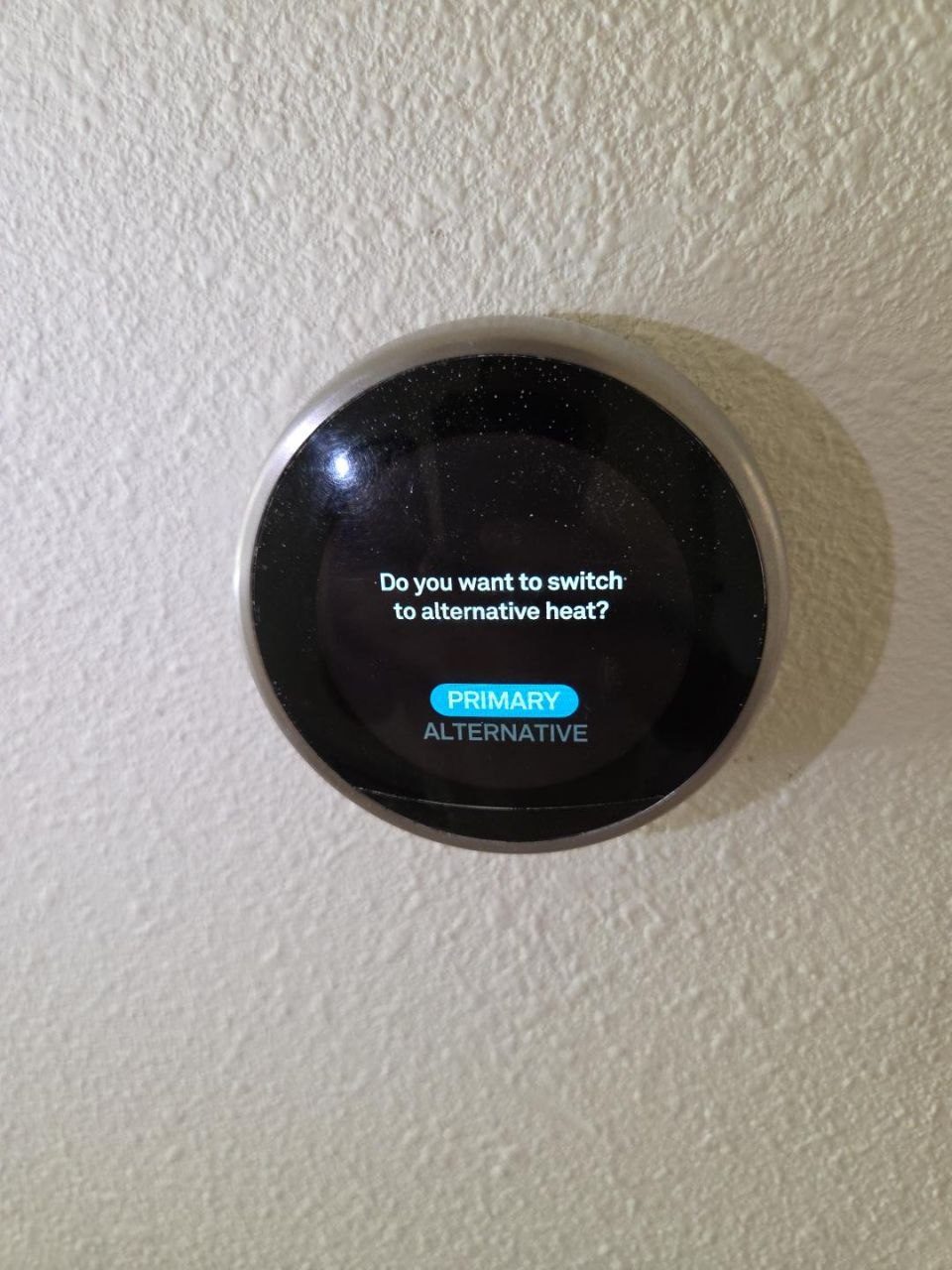
For most Seattle-area homes, the best winter thermostat setting for a heat pump is a steady temperature around 68°F while you're home and awake, with the mode on Heat (not Emergency Heat), the fan on Auto, and either no overnight setback or a small one of about 2–4 degrees. Big setbacks that work well with a gas furnace often backfire with a heat pump: when you crank the temperature back up in the morning, the thermostat may call for expensive backup heat to catch up. A heat pump is happiest — and cheapest to run — when you set it and mostly leave it alone.
Need help now?
Call (206) 823-0670 or request a callback. Upfront pricing, licensed & insured technicians, 24/7 emergency service.
Why heat pumps need different settings than a furnace
A gas furnace makes very hot air quickly, so letting the house cool overnight and warming it fast in the morning saves fuel. A heat pump works differently. It moves heat from outdoor air into your home with steady, gentle output, and it's most efficient when it runs long, even cycles.
Most ducted heat pumps also have a backup heat source — usually electric heat strips in the indoor air handler, or a gas furnace in a dual-fuel system. Backup heat comes on when the heat pump alone can't keep up or when the house needs to warm up quickly. Electric heat strips use far more electricity than the heat pump to make the same amount of heat. So the goal of good heat pump settings is simple: keep the heat pump doing the work, and keep backup heat for when it's truly needed.
The best heat pump thermostat settings for winter
Temperature: around 68°F when you're home
About 68°F is a common recommendation for winter comfort and efficiency, and it's a good place to start. Some households are comfortable a little lower, and homes with babies, older adults or anyone sensitive to cold may need it warmer. Pick a temperature that feels right, then leave it there for a few days before adjusting — heat pump heat feels different than furnace heat, and it takes a little getting used to.
Overnight and away: small setbacks only
- Overnight: Lower it by about 2–4 degrees, or not at all. Many homeowners find a steady setting is just as cheap and more comfortable.
- Away during the day: A similar small setback is fine. If you're gone for several days, you can drop it further — just expect backup heat to help when you bring it back up.
- Avoid 7–10 degree swings. That's the most common reason homeowners see "Aux Heat" every morning and a higher bill than expected.
If your thermostat has a feature called smart recovery, adaptive recovery or something similar, turn it on. It starts warming the house gradually ahead of schedule so the heat pump can reach the target without leaning on backup heat.
Mode: Heat, not Auto or Emergency
- Heat is the right everyday winter setting.
- Auto switches between heating and cooling on its own. In the Seattle area, spring and fall days can swing enough that the system heats in the morning and cools in the afternoon, which wastes energy. Use Heat in winter and Cool in summer.
- Emergency Heat (EM Heat) shuts the heat pump off and runs only backup heat. Use it only when the heat pump is broken or a technician tells you to. Our guide to emergency heat vs. aux heat explains the difference in detail.
Fan: Auto
With the fan on Auto, the blower runs only while the system is heating. With the fan on On, it runs constantly — including between heating cycles, when it pushes room-temperature air through the vents that can feel drafty and cool. Auto is the better winter choice for most homes. (During wildfire smoke events, running the fan to keep air moving through the filter is a different situation.)
Don't "crank it up" to warm faster
Setting the thermostat to 78°F won't warm the house any faster than setting it to 70°F. It just keeps the system running longer and makes backup heat more likely to kick in. Raise the setpoint a degree or two at a time instead.
Quick reference: heat pump winter settings
| Setting | Recommended | Why |
|---|---|---|
| Mode | Heat | Keeps the heat pump as the main heat source |
| Home and awake | About 68°F (adjust for comfort) | Comfortable and efficient starting point |
| Sleeping | 0–4°F lower | Small setbacks avoid morning backup heat |
| Away all day | 0–4°F lower | Same reason |
| Fan | Auto | Avoids cool drafts between cycles |
| Recovery feature | On, if available | Warms gradually instead of all at once |
| Emergency Heat | Off | Only for a broken heat pump |
Settings an installer should check
Some important heat pump settings live in the thermostat's installer menu. Most homeowners shouldn't change them, but they're worth asking about if your bills seem high or aux heat runs often:
- Equipment type. The thermostat must be set up for a heat pump (with the correct reversing valve setting), not a furnace and AC. If it's configured wrong, the system can heat and cool at the wrong times.
- Aux heat lockout or balance point. This tells the system the outdoor temperature above which backup heat shouldn't run. Set too high, backup heat runs on mild days. An outdoor temperature sensor makes this work much better.
- Staging and droop settings. These control how far the temperature must fall before backup heat helps.
- Dual-fuel switchover. If you have a heat pump with a gas furnace, the switchover temperature decides when the furnace takes over. The right setting depends on your equipment and your gas and electric rates.
A technician can review these during a heat pump service visit and tune them to your equipment and home.
Does a smart thermostat help with a heat pump?
It can — as long as it's made to control heat pumps with backup heat and it's installed and configured correctly. Good smart thermostats learn how long your home takes to warm up, use outdoor temperature data to manage backup heat, and make small schedule changes easy from your phone. A poorly configured smart thermostat, on the other hand, can trigger backup heat more often than an old one.
Utility programs for smart thermostats change, so check before you buy. PSE has offered rebates on qualifying smart thermostats for eligible electric and natural gas customers, while Seattle City Light's thermostat incentives have focused on homes with electric baseboard or wall heaters. We'll help you figure out what you qualify for.
Ductless mini-split settings
Ductless systems follow the same basic rules, with a few differences:
- Set each indoor head to Heat at a steady temperature, and avoid big daily swings.
- Use the remote's temperature setting, not the fan speed, to control comfort. Auto fan works well for most rooms.
- Keep doors open between a heated room and nearby rooms if you're relying on one head to warm a larger area.
- Clean the washable filters behind the front panel regularly — clogged filters reduce heat output.
DIY checklist: quick thermostat checks
These are safe for any homeowner and take a few minutes:
- Confirm the mode is Heat, not Auto, Cool or EM Heat.
- Set the fan to Auto.
- Shrink big setbacks in your schedule to 2–4 degrees or less.
- Turn on smart or adaptive recovery if your thermostat has it.
- Replace the batteries if your thermostat uses them and the display is dim.
- Check where it's mounted. A thermostat next to a sunny window, a lamp, a supply register or a drafty door gets false readings.
- Replace or wash the air filter. Restricted airflow makes the heat pump less effective and invites backup heat.
- Watch the display for a few days. "Aux" for short periods on cold mornings or during defrost is normal. "Aux" almost every time the heat runs is not.
When to call a pro
Call a licensed HVAC technician if:
- Aux or backup heat runs almost constantly, even in mild weather
- Your electric bill jumped and you haven't changed your settings
- The system blows cool air for more than 15–20 minutes at a time
- You installed a new thermostat and the heat pump now behaves oddly — cooling when it should heat, or not running the outdoor unit
- The outdoor unit stays covered in ice after a defrost cycle
- You have a dual-fuel system and aren't sure when the furnace should take over
A technician will check your thermostat wiring and installer settings, confirm the heat pump and backup heat are staging correctly, and test refrigerant performance, defrost operation and airflow. If your heat pump is aging and can no longer keep up without backup heat, we'll give you honest repair-vs-replace advice and help you find any utility rebates you qualify for.
Yeti Heating & Air services and installs heat pumps across Seattle, Bellevue, Kirkland, Redmond, Renton, Shoreline, Lynnwood, Bothell, Edmonds and Everett. Our licensed, insured technicians give you upfront pricing you approve before any work starts, and we offer 24/7 emergency service if your heat goes out.
Heat pump bills higher than expected, or aux heat won't quit? Call (206) 823-0670 or request a callback. We're available Mon–Sat 7am–7pm, with 24/7 emergency service.
Frequently asked questions
What is the best temperature to set a heat pump in winter?
Around 68°F while you're home and awake is a good starting point for most homes. Adjust for comfort, then leave it steady. Heat pumps run most efficiently at a consistent setting.
Should I turn my heat pump down at night?
Only a little. A setback of about 2–4 degrees, or none at all, usually works best. Larger setbacks can make the system use expensive backup heat to warm the house back up in the morning.
Should my heat pump fan be on Auto or On in winter?
Auto, for most homes. With the fan on On, the blower runs between heating cycles and can push cool-feeling air through the vents. Auto runs the fan only while the system is heating.
Is it OK to leave a heat pump on Auto mode?
In winter it's better to use Heat. Auto mode can switch between heating and cooling on days with big temperature swings, which wastes energy. Use Heat in winter and Cool in summer.
Why does my thermostat say Aux Heat every morning?
Usually because of a large overnight setback. When the setpoint jumps several degrees, the thermostat calls for backup heat to catch up. Use a smaller setback or turn on smart recovery, and call a technician if Aux runs constantly.
Related service
Heat pumps in SeattleReady to get comfortable?
Call (206) 823-0670 or request a callback. Upfront pricing, licensed & insured technicians, 24/7 emergency service.