Heat Pumps
Heat Pump vs. Gas Furnace in Seattle: Which Is Better for Your Home?
Published
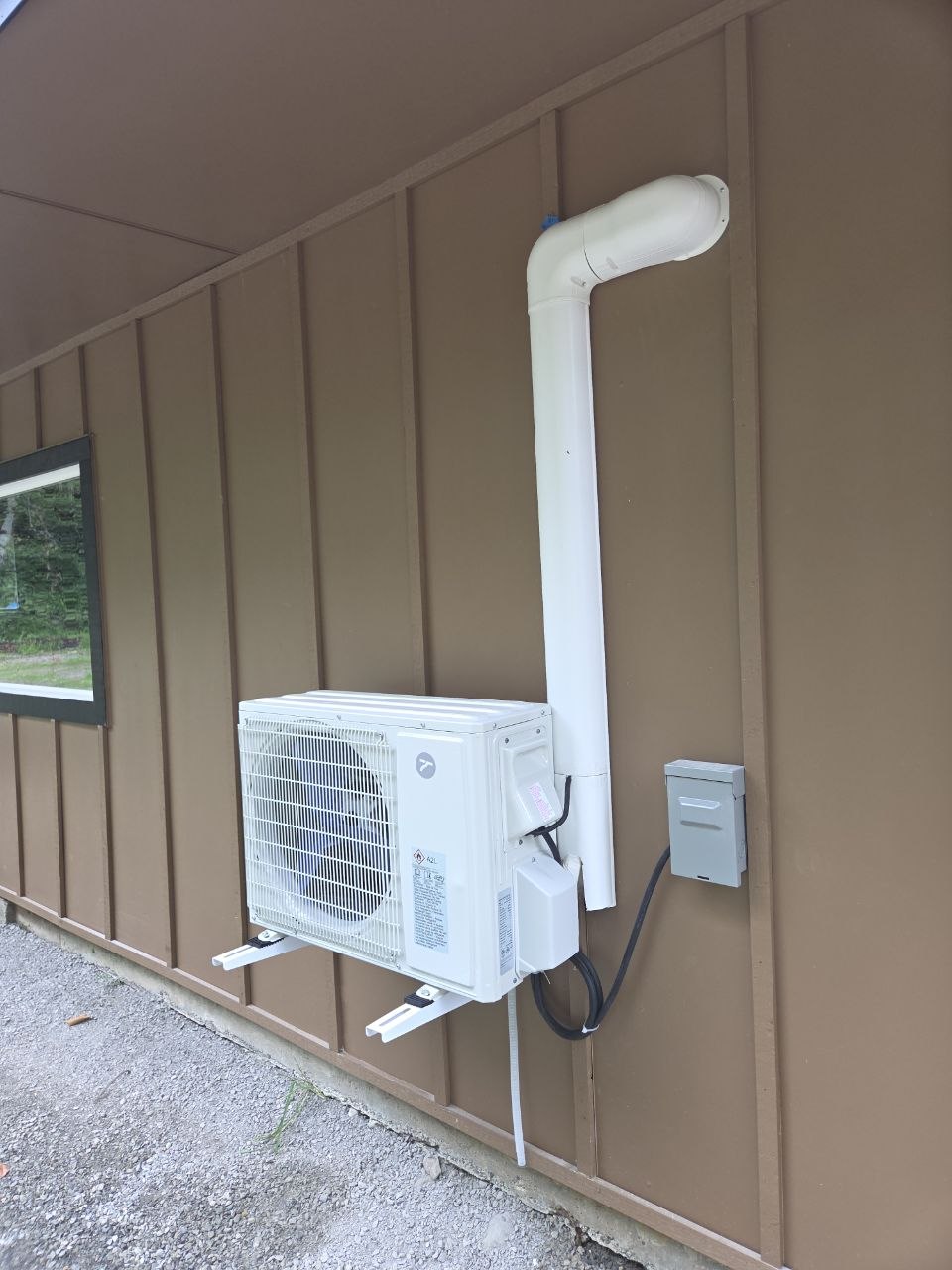
For most Seattle-area homes, a heat pump is the better choice today: our mild, damp winters are exactly the conditions heat pumps handle best, one system gives you both heating and summer cooling, and it heats without burning fuel inside your house. A gas furnace still makes sense in some situations — for example, if your furnace is fairly new and working well, your home is drafty and hard to heat, or your electrical panel can't take on a new load. Many homeowners end up somewhere in the middle with a dual-fuel (hybrid) system that pairs a heat pump with a gas furnace for the coldest nights.
Need help now?
Call (206) 823-0670 or request a callback. Upfront pricing, licensed & insured technicians, 24/7 emergency service.
How each system heats your home
A gas furnace burns natural gas to make heat, then a blower pushes that hot air through your ducts. It delivers very warm air in shorter bursts and works the same whether it's 45°F or 15°F outside.
A heat pump doesn't burn anything. It uses refrigerant to pull heat from the outdoor air and move it inside — even when it feels cold out. In summer the same equipment runs in reverse and works as an air conditioner. Because it moves heat rather than creating it, a heat pump can deliver more heat energy than the electricity it uses.
Heat pump vs. gas furnace at a glance
| Heat pump | Gas furnace | |
|---|---|---|
| Heating | Yes — steady, even warmth | Yes — hotter air, shorter cycles |
| Cooling | Yes, built in | No — needs a separate AC |
| Fuel | Electricity | Natural gas (plus electricity for the blower) |
| Combustion in the home | None | Yes — needs venting and CO detectors |
| Performance in deep cold | Drops as temperatures fall; cold-climate models hold up well | Consistent at any outdoor temperature |
| Typical lifespan | Roughly 10–15+ years | Roughly 15–20 years |
| Maintenance | Yearly check-up, keep outdoor unit clear | Yearly check-up, including combustion and safety checks |
Why heat pumps fit the Seattle climate so well
Heat pumps are most efficient in moderate cold — and that describes most of a Puget Sound winter. We get months of 35–50°F days and only short stretches of hard freezes. That's very different from places like Minnesota, where heat pumps have to work in subzero weather for weeks.
A few other things work in a heat pump's favor here:
- Summer heat is real now. Many older Seattle, Shoreline and Edmonds homes were built without air conditioning. Heat waves have made cooling feel less like a luxury, and a heat pump adds it without a second system.
- Cleaner indoor air. With no combustion, there's no chance of carbon monoxide coming from your heating system. You'll still want CO detectors if you have other gas appliances or an attached garage.
- Steady comfort. Heat pumps run longer, gentler cycles. Many people notice fewer cold spots and less temperature swing. (The air at the vent feels warm rather than hot — our guide on why a heat pump can feel like it's blowing cold air explains what's normal.)
One thing to plan for: in damp, near-freezing weather, a heat pump will periodically run a short defrost cycle to clear frost off the outdoor coil. That's normal, but it's another reason proper sizing and a good installation matter.
When a gas furnace still makes sense
We give honest advice, and sometimes that means keeping gas — at least for now:
- Your furnace is newer and healthy. Replacing a well-running furnace just to switch rarely pays off. Many homeowners wait until the furnace needs a major repair or reaches the end of its life.
- Your home loses heat fast. A drafty, poorly insulated house needs a larger heat pump. Sealing air leaks and adding insulation first can make a heat pump smaller and more affordable.
- Electrical limits. Some older homes need a panel upgrade or a new circuit before a heat pump can be added. That's often solvable, but it affects cost and timing.
- You want the hottest possible air from the vents. Some people simply prefer the feel of furnace heat.
The middle option: a dual-fuel (hybrid) system
A dual-fuel system adds a heat pump to your existing or new gas furnace. The heat pump handles heating most of the year and all of your cooling. On the coldest days, the system switches to the furnace automatically.
This can be a good fit if:
- Your furnace has plenty of life left and you want to add AC
- You want to cut gas use without going fully electric yet
- You'd like a backup heat source you already trust
What affects the cost
Every home is different, so we don't quote prices without seeing the house. These are the factors that matter most:
- Your ductwork. Good ducts can usually be reused. Leaky or undersized ducts may need sealing or changes, since heat pumps move more air at lower temperatures.
- Home size, insulation and layout. A proper load calculation — not a rule of thumb based on square footage — decides the right equipment size.
- Equipment type. Cold-climate and variable-speed heat pumps cost more up front but perform better in winter and run more quietly.
- Electrical work. Panel capacity, a new circuit, or a disconnect can add to the job.
- What you're replacing. Removing an old furnace, adding a new air handler, or keeping the furnace for a dual-fuel setup each changes the scope.
- Your utility rates. Running costs depend on your electric and gas rates and how efficient your current furnace is. Your electric provider (Seattle City Light, PSE or Snohomish County PUD, for example) makes a real difference.
Rebates and incentives right now
Incentives change often, so here's the current picture to check before you decide:
- Federal tax credit: The federal 25C credit for heat pumps ended for equipment installed after December 31, 2025, so don't count on it for a project this year.
- Seattle City Light customers: City Light has offered instant discounts through participating contractors on qualifying high-efficiency heat pumps. Gas customers in Seattle are pointed to PSE for gas-related programs.
- PSE customers: PSE's earlier pilot rebate for switching from gas to a heat pump was retired in 2024. PSE programs change, so it's worth checking what's available when you're ready.
- Income-qualified programs: Washington and some utilities have offered extra help for income-qualified households.
Rather than guessing, ask us. We help every customer find which utility rebates and programs they actually qualify for before they sign anything.
Quick checklist to help you decide
- Find your furnace's age. It's usually on the label inside the furnace door. 15+ years old? Start planning now, before it fails in January.
- Note how your home feels. Cold rooms, hot upstairs in summer, or no AC at all all point toward a heat pump.
- Look at your electrical panel. Note the amperage and whether there are open breaker spaces.
- Gather a year of utility bills for gas and electricity.
- Check your ducts where you can see them — crushed, disconnected or unsealed sections are worth noting.
- Get an in-home assessment with a load calculation and side-by-side options.
When to call a pro
Choosing and installing either system isn't a DIY job — heat pumps involve refrigerant and high-voltage wiring, and furnaces involve gas lines and venting. Call a licensed HVAC contractor when:
- Your furnace is aging, needs an expensive repair, or keeps breaking down
- You want to add air conditioning before next summer
- You're weighing a full heat pump vs. a dual-fuel setup
- You want to know which rebates apply to your home
Yeti Heating & Air installs and services heat pumps and furnaces across Seattle, Bellevue, Kirkland, Redmond, Renton, Shoreline, Lynnwood, Bothell, Edmonds and Everett. Our licensed, insured technicians size the system to your home, give honest repair-vs-replace advice, and provide upfront pricing you approve before any work starts.
Not sure which is right for your home? Call (206) 823-0670 or request a callback. We're available Mon–Sat 7am–7pm, with 24/7 emergency service if your heat goes out in the meantime.
Frequently asked questions
Does a heat pump work in Seattle winters?
Yes. Seattle's mild, damp winters suit heat pumps well, and modern cold-climate models keep heating well below freezing. A properly sized system, sometimes with backup heat, keeps homes comfortable through cold snaps.
Is a heat pump cheaper to run than a gas furnace?
It depends on your electric and gas rates, how efficient your current furnace is, and how well your home is insulated. Many homes see lower or similar heating costs plus built-in cooling, but it's worth comparing with your own utility bills.
Should I replace a working gas furnace with a heat pump?
Usually not right away if the furnace is newer and healthy. Many homeowners switch when the furnace needs a major repair or nears the end of its life, or add a heat pump now as a dual-fuel system to get cooling.
What is a dual-fuel heat pump system?
It pairs a heat pump with a gas furnace. The heat pump heats most of the year and provides all the cooling, and the furnace takes over automatically on the coldest days.
Are there rebates for switching from a gas furnace to a heat pump?
Sometimes. The federal 25C tax credit ended after 2025, and utility programs change often. Seattle City Light has offered instant contractor discounts on qualifying heat pumps. Yeti helps you find what you qualify for.
Related service
Heat pumps in SeattleReady to get comfortable?
Call (206) 823-0670 or request a callback. Upfront pricing, licensed & insured technicians, 24/7 emergency service.