
Maintenance
Heat Pump Maintenance Checklist: What Seattle Homeowners Should Do Before Winter
Published
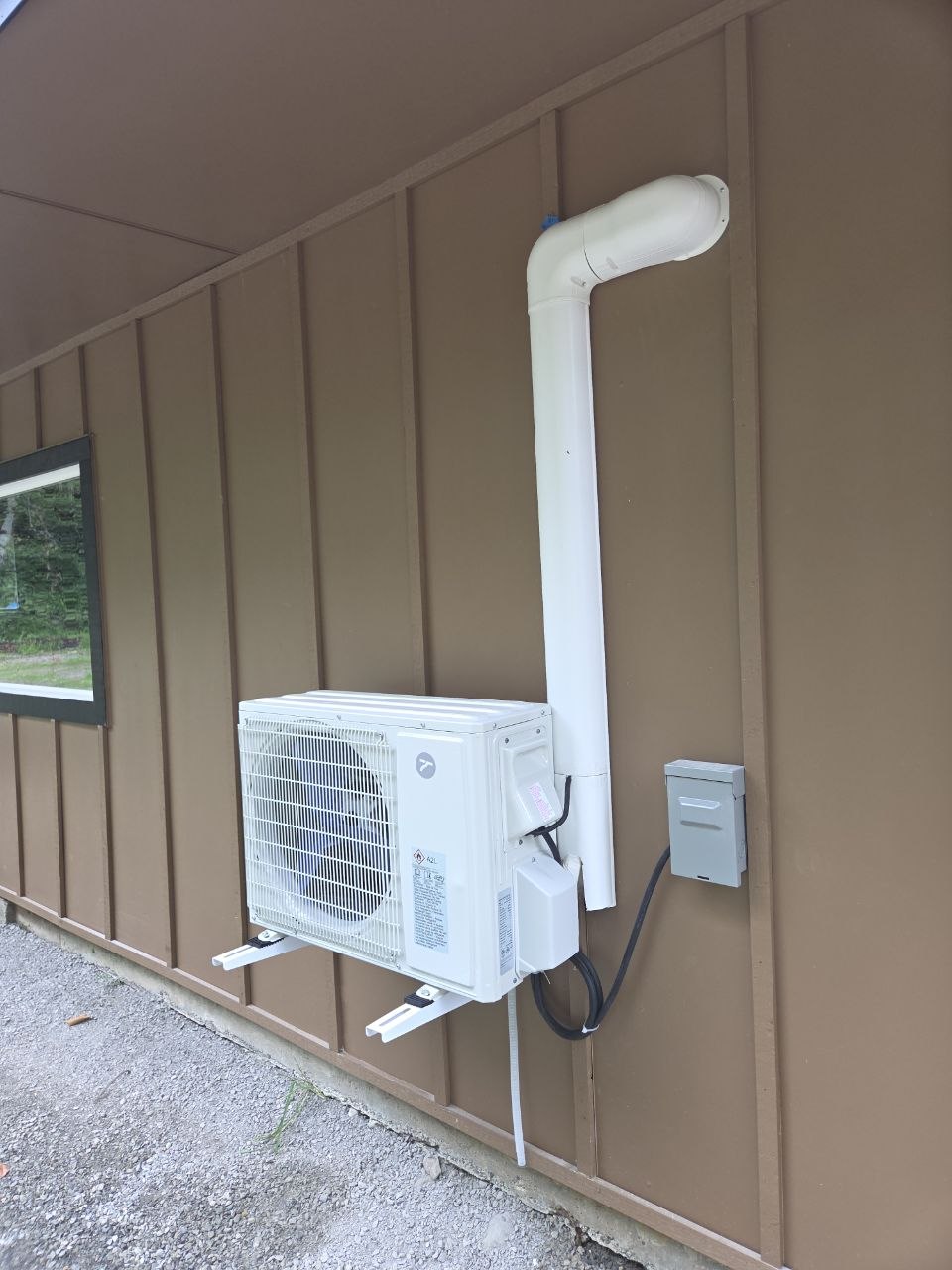
Heat pump maintenance comes down to two parts: simple homeowner checks every month or two — changing or washing the filter, keeping the outdoor unit clear of leaves and debris, and keeping vents open — plus a professional check-up once a year, ideally in early fall before the heating season gets serious. Because a heat pump in the Seattle area heats all winter and cools in summer, it runs far more hours than a furnace or an AC alone. A few minutes of care now helps prevent the most common winter problems: weak heat, an iced-over outdoor unit, and backup heat running up your electric bill.
Need help now?
Call (206) 823-0670 or request a callback. Upfront pricing, licensed & insured technicians, 24/7 emergency service.
Why heat pumps need more attention than a furnace
A gas furnace sits idle for much of the summer. A heat pump doesn't get that break. In the Puget Sound area it may heat from October through April and cool during summer heat waves, so its filter, coils and fan see year-round use.
Our climate adds a few specific challenges:
- Wet leaves and fir needles. Fall windstorms pile debris against outdoor units and into the fins, restricting airflow.
- Moss, mildew and dirt. Damp weather helps grime build up on coils and around the base of the unit.
- Near-freezing, damp nights. These are exactly the conditions that make frost form on the outdoor coil. A clean, unblocked unit defrosts quickly; a dirty or blocked one may struggle and lean on backup heat.
- Wildfire smoke. A smoky late summer can leave your filter far dirtier than its age suggests.
Homeowner heat pump maintenance checklist
These steps are safe for any homeowner. Before touching the outdoor unit, turn the system off at the thermostat.
Every month or two
- Check the air filter. Ducted systems: if the filter looks gray or you can't see light through it, replace it. Standard 1-inch filters often need changing every 1–3 months during heavy use; thicker media filters last longer.
- Wash ductless mini-split filters. The indoor heads have washable mesh filters behind the front panel. Rinse them with lukewarm water, let them dry completely, and slide them back in. Many manufacturers suggest checking them every few weeks in heavy use.
- Look at the outdoor unit. Clear leaves, needles and branches from the top and sides. Keep about two feet of open space around it, and trim back shrubs and ivy.
- Keep vents and returns open. Furniture, rugs or closed registers starve the system of airflow.
- Glance at the thermostat. It should be on Heat in winter, not EM Heat, with the fan on Auto.
Before winter
- Check gutters and downspouts above the unit. Water dripping onto the outdoor unit can freeze into a block of ice on a cold night.
- Make sure the unit sits level and slightly raised on its pad or stand so meltwater from defrost cycles can drain away.
- Gently rinse the outdoor coil with a garden hose on low pressure if it's dusty or caked with debris. Spray from the inside out if you can reach, and never use a pressure washer — it bends the thin aluminum fins.
- Check the insulation on the refrigerant lines running into the house. Cracked or missing foam wastes energy and is worth noting for your technician.
- Clear around the condensate drain. Make sure the drain line or pump near the indoor unit isn't clogged or leaking.
- Test your backup heat. Raise the thermostat several degrees on a cool day and confirm the house warms up normally. Our guide to emergency heat vs. aux heat explains what those thermostat messages mean.
What not to do yourself: don't open electrical panels on the equipment, add refrigerant, chip ice off the coil, or change installer settings on the thermostat. Those jobs need a licensed technician.
What a professional heat pump tune-up includes
A yearly professional visit covers the parts you can't safely reach or test. A thorough heat pump check-up typically includes:
- Measuring refrigerant performance and checking for signs of leaks
- Testing the defrost cycle and the reversing valve, which switches the system between heating and cooling
- Cleaning the indoor and outdoor coils and straightening bent fins
- Checking electrical connections, capacitors and contactors — common failure points that often show warning signs before they quit
- Inspecting the outdoor fan motor and indoor blower for wear
- Measuring airflow and temperature split to confirm the system is delivering the heat it should
- Testing backup heat (heat strips or a gas furnace in a dual-fuel setup) and its controls
- Checking thermostat setup so auxiliary heat doesn't come on more than it needs to
- Clearing the condensate drain and checking for water leaks
If you have a ductless system, the visit should also include a deeper cleaning of the indoor heads, where dust and mildew can build up on the blower wheel and coil behind the filter.
How often should a heat pump be serviced?
For most Seattle-area homes, once a year is the right rhythm. Early fall is ideal because problems with defrost, refrigerant or backup heat are easier to fix before the first cold snap than in the middle of a December freeze. Some homeowners with older systems, pets, or heavy summer use choose a spring visit too.
It's also worth checking your equipment warranty paperwork. Some manufacturers expect regular professional maintenance, and keeping records of each visit makes any future warranty claim simpler.
Signs your heat pump needs attention now
Don't wait for the annual visit if you notice:
- Aux heat or backup heat running almost all the time, even in mild weather
- Ice covering the outdoor coil that doesn't clear after a defrost cycle
- Cool air from the vents for more than 15–20 minutes (short spells during a defrost cycle are normal)
- New noises: grinding, squealing, loud buzzing or rattling from either unit
- The outdoor fan not spinning while the system is running
- Water leaking from the indoor unit or a musty smell from a mini-split
- A higher electric bill with no change in how you use the system
- A breaker that trips again after one reset
When to call a pro
Call a licensed HVAC technician if:
- Your heat pump hasn't had a professional check-up in the last year
- Any of the warning signs above show up
- You've switched to emergency heat to stay warm
- The outdoor unit was hit by a branch or damaged in a storm
- Your system is 10 or more years old and you want to know how much life it has left
A technician will find small problems — a weak capacitor, a dirty coil, a slow refrigerant leak — while they're still simple repairs. If your heat pump is aging and repairs are adding up, we'll give you honest repair-vs-replace advice and help you find any utility rebates you may qualify for.
Yeti Heating & Air provides heat pump and HVAC maintenance across Seattle, Bellevue, Kirkland, Redmond, Renton, Shoreline, Lynnwood, Bothell, Edmonds and Everett. Our licensed, insured technicians give you upfront pricing you approve before any work starts, and we offer 24/7 emergency service if your heat goes out.
Ready for a heat pump tune-up before winter? Call (206) 823-0670 or request a callback. We're available Mon–Sat 7am–7pm, with 24/7 emergency service.
Frequently asked questions
How often should a heat pump be serviced?
Once a year by a professional is right for most Seattle-area homes, ideally in early fall before the first cold snap. Check or change the filter every month or two in between.
Can I do heat pump maintenance myself?
Some of it. Homeowners can change or wash filters, clear leaves and debris from the outdoor unit, keep vents open and gently hose off a dusty coil. Refrigerant, electrical and defrost checks need a licensed technician.
Should I cover my heat pump in winter?
No. A heat pump runs all winter and needs open airflow around the outdoor unit. Covering it can block airflow and trap moisture. Just keep it clear of leaves, snow and debris.
How do I clean a ductless mini-split filter?
Turn the unit off, lift the front panel, slide out the mesh filters, rinse them with lukewarm water and let them dry completely before reinstalling. A pro should deep-clean the coil and blower wheel periodically.
What happens if I skip heat pump maintenance?
Dirty filters and coils reduce airflow, which can cause icing, longer run times, more backup heat use and higher bills. Small issues like a weak capacitor can also turn into a no-heat breakdown on a cold night.
Related service
HVAC maintenance in SeattleReady to get comfortable?
Call (206) 823-0670 or request a callback. Upfront pricing, licensed & insured technicians, 24/7 emergency service.