
Heat Pumps
Heat Pump Frozen or Covered in Ice? What's Normal in a Seattle Winter and What to Do
Published
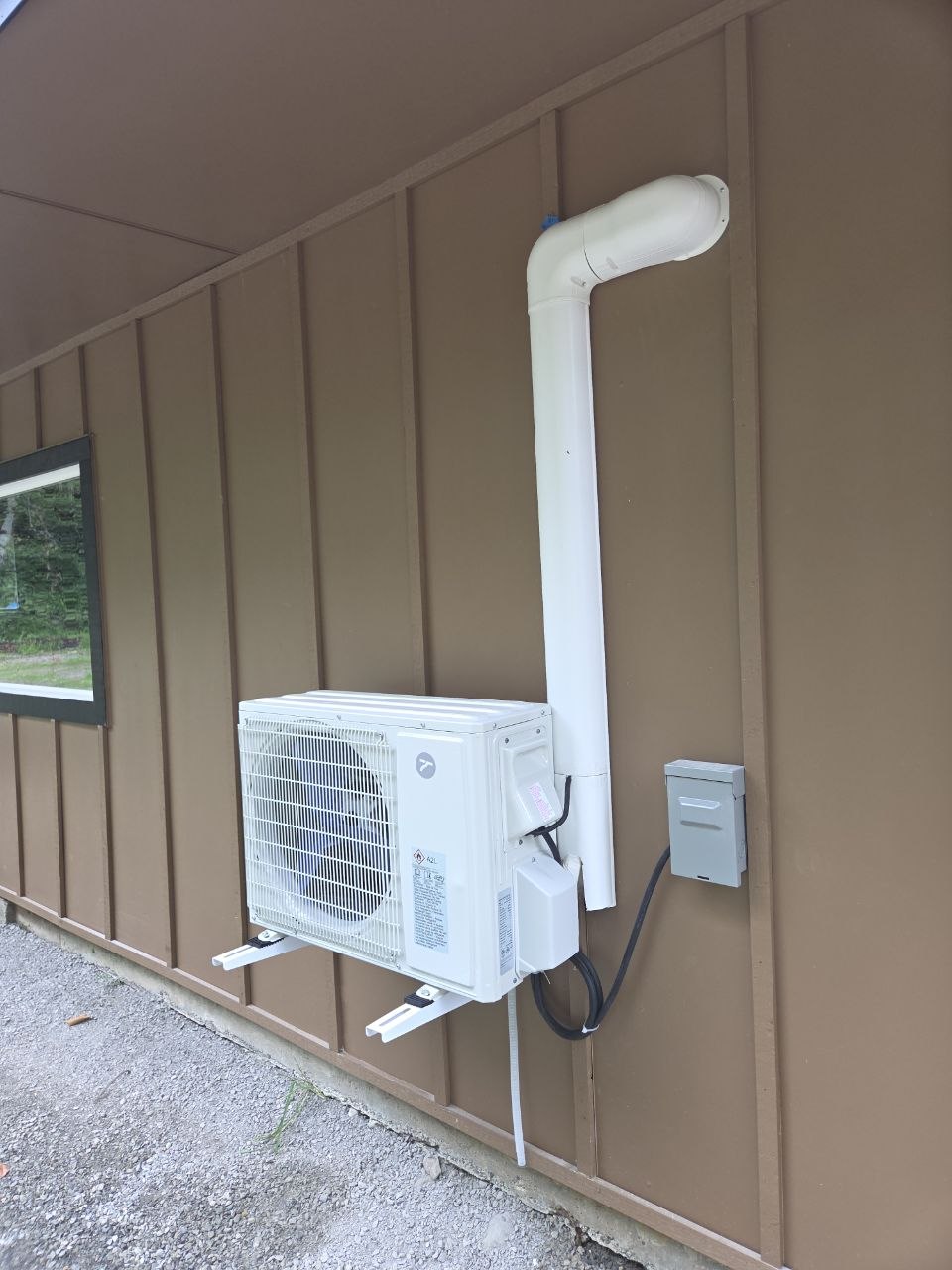
A thin layer of frost on your heat pump's outdoor unit on a cold, damp Seattle morning is normal, and the system is designed to melt it off on its own with a defrost cycle that usually lasts just a few minutes. What isn't normal is thick ice that covers the coil for hours, ice on the top of the unit or on the fan, a block of ice building up underneath it, or a unit that's iced over and no longer heating your home. Those point to a problem such as a failed defrost control, low refrigerant, blocked airflow, or poor drainage, and they're worth having a technician check before the ice damages the fan or coil.
Need help now?
Call (206) 823-0670 or request a callback. Upfront pricing, licensed & insured technicians, 24/7 emergency service.
Why heat pumps frost up in the Pacific Northwest
In heating mode, a heat pump pulls heat out of the outdoor air. To do that, the outdoor coil runs colder than the air around it. When the air is humid and the temperature is somewhere around the mid-30s to low 40s, moisture in the air condenses on that cold coil and freezes, just like frost forming on a car windshield.
Western Washington is close to perfect frost weather for a heat pump: our winters are mild but very damp, with lots of foggy, drizzly days hovering just above freezing. That's why many Seattle-area homeowners notice frost on the outdoor unit more often than people in colder but drier climates.
How the defrost cycle works (and what it looks and sounds like)
Every heat pump has a defrost control. When it senses frost building on the coil, it temporarily reverses the system so warm refrigerant flows through the outdoor coil and melts the ice. During defrost you may notice:
- The outdoor fan stops while the compressor keeps running.
- A whoosh or loud hiss as the reversing valve switches over, and again when it switches back.
- Steam or "smoke" rising from the unit. That's water vapor from melting frost, not a fire.
- Water dripping or running from underneath the outdoor unit.
- Cooler air at your vents for a few minutes. Many systems turn on backup or auxiliary heat during defrost to keep air from feeling cold.
A typical defrost cycle lasts a few minutes and rarely more than about 10 to 15. On a raw, wet day it may repeat every hour or so. If your thermostat shows "Aux" or "Aux Heat" during these cycles, that's expected. Our guide to emergency heat vs. aux heat explains what those settings mean.
Normal frost vs. a frozen heat pump
| What you see | Normal or a problem? |
|---|---|
| Light, white frost on the coil fins that clears within about an hour | Normal |
| Steam and dripping water for a few minutes, then the fan restarts | Normal defrost |
| Frost that never clears, even after several hours | Problem |
| Solid, clear ice covering the coil or encasing the unit | Problem |
| Ice on the top panel, fan grille or fan blades | Problem |
| A growing mound of ice under or around the base | Drainage problem |
| Unit is iced over and the house is getting cold | Call for service |
| Ice on the indoor unit or refrigerant lines in heating season | Problem |
Common causes of a heat pump that won't stop icing
A defrost control, sensor or reversing valve problem
If the defrost board, its temperature sensor, or the reversing valve fails, the unit may never start a defrost cycle or may stop before the coil is clear. Ice then keeps building layer after layer.
Low refrigerant
A refrigerant leak makes the outdoor coil run colder than it should, so it frosts faster and more heavily. You may also notice weaker heat indoors and longer run times. Refrigerant work requires a certified technician; it's not a DIY repair.
Blocked airflow at the outdoor unit
Leaves, fir needles, moss, overgrown shrubs or a cover left on the unit all reduce airflow across the coil. Less airflow means more frost and less efficient defrosting.
Poor drainage and dripping from above
Melted frost needs somewhere to go. If the unit sits directly on the ground, in a low spot, or in a puddle, the water can refreeze under the coil and build up into a block of ice. A gutter overflowing onto the unit, or a roof valley dripping on it, can coat the top panel and fan in ice.
Weak indoor airflow
A clogged filter or closed vents indoors can affect how the whole system runs. It's not usually the main cause of outdoor icing, but it's an easy thing to rule out. If your heat pump is also blowing cool air inside, see why a heat pump blows cold air.
A failing outdoor fan motor
If the outdoor fan isn't spinning at the right speed, or at all, the coil can't pull in enough air and will frost up quickly.
DIY checklist: what you can safely do
- Wait and watch for an hour. If the frost clears and the fan restarts, the defrost cycle is doing its job.
- Check your thermostat. Make sure it's set to Heat, not Cool, and that the outdoor unit is running when the system is calling for heat.
- Clear around the unit. Remove leaves, needles and snow and keep about two feet of open space on all sides.
- Look up. If a gutter or roof edge is dripping onto the unit, clear the gutter or redirect the downspout.
- Check drainage. Make sure melting water can drain away and isn't pooling under the unit.
- Replace a dirty indoor filter and open any closed supply vents.
- Melt light ice gently, if needed. With the system turned off at the thermostat, you can pour lukewarm (not boiling) water over the top and sides, or simply let it melt on its own.
Don't chip, scrape or pry at the ice with a shovel, screwdriver or ice pick. The aluminum fins and copper tubing are thin, and one slip can puncture a refrigerant line and turn a service call into a major repair. Don't use a torch, heat gun or open flame, and don't cover the unit with a tarp while it's running.
When to call a pro
Call an HVAC technician if:
- The outdoor unit stays covered in ice for more than a few hours
- You see ice on the top panel, the fan grille or the fan blades
- The outdoor fan isn't spinning, or you hear grinding or scraping
- The unit never seems to go into defrost, or defrosts constantly
- Your home is getting cold, or your system is relying on aux or emergency heat for long stretches
- You see ice on the refrigerant lines or the indoor unit during heating season
- Icing happens again shortly after you've cleared it
A technician can test the defrost control and sensors, check the reversing valve, measure refrigerant charge and look for leaks, check the outdoor fan motor, and recommend fixes for drainage, such as raising the unit on a stand or pad. At Yeti, you'll get an honest repair-vs-replace recommendation and upfront pricing that you approve before any work starts. If your heat pump is older and the repair is a big one, we can also help you find utility rebates you may qualify for on a replacement. Learn more about our heat pump services.
Our licensed and insured technicians work on heat pumps across Seattle, Bellevue, Kirkland, Redmond, Renton, Shoreline, Lynnwood, Bothell, Edmonds and Everett, with 24/7 emergency service when your heat goes out on a cold night.
How to prevent your heat pump from freezing up
- Keep the area around the outdoor unit clear all winter, especially after windstorms.
- Make sure the unit sits level and slightly raised on a pad or stand so meltwater drains away.
- Keep gutters clean above the unit.
- Change your indoor filter on schedule.
- Schedule yearly maintenance before the heating season, so a technician can check refrigerant charge, the defrost controls and the outdoor fan.
Heat pump iced over or not keeping your home warm? Call (206) 823-0670 or request a callback. We're available Mon–Sat 7am–7pm, with 24/7 emergency service.
Frequently asked questions
Is it normal for my heat pump to have frost on it in winter?
Yes. Light frost on the outdoor coil is normal in cold, damp weather. The heat pump should run a defrost cycle that clears it within a few minutes. Frost that never clears, or thick ice covering the unit, is not normal.
How long should a heat pump defrost cycle last?
Usually a few minutes, and rarely more than about 10 to 15. You may see steam, hear a whoosh, and notice the outdoor fan stop. If the unit stays iced for hours, call for service.
Should I pour hot water on my frozen heat pump?
You can gently pour lukewarm water over light ice with the system turned off, or let it melt on its own. Never use boiling water, a torch or a heat gun, and never chip at the ice. Repeated icing needs a technician.
Can I still run my heat pump if it's frozen?
A unit fully encased in ice can't heat well and may damage its fan or coil. Turn it off at the thermostat, use emergency heat if you have it, and call a technician to find out why it isn't defrosting.
Why is there steam coming from my heat pump?
Steam during a defrost cycle is water vapor from melting frost. It's normal and stops within a few minutes. Smoke with a burning smell is different: turn the system off and call for service.
Related service
Heat pumps in SeattleReady to get comfortable?
Call (206) 823-0670 or request a callback. Upfront pricing, licensed & insured technicians, 24/7 emergency service.